Comfort pasta with cauliflower

One of my favorite pasta dishes is also the most comforting: pasta with cauliflower, pasta al cavolfiore. It has that subtle blend of sweetness and substance that marks so many American comfort foods: rice pudding, vanilla ice cream, mashed potatoes, meatloaf, cream gravy, here in the South, biscuits and grits. Pasta al cavolfiore has more taste than color – another curious comfort characteristic. Delicious, satisfying, quick and simple to make, it’s strictly speaking a fall or winter pasta, but this is a blog, so who’s speaking strictly? In fact, if you don’t have spaghetti, use the pasta you have, just make sure it’s all of the same kind. [For a tale of lost cauliflowers, see an earlier blog.]

Pasta al Cavolfiore for 4
½ head of cauliflower
spaghetti or other long pasta (3/4 of a standard package)
handful of black olives
2 cloves garlic
salt (handful)
pepper
olive oil
chopped parsley
optional – 2T pine nuts (toasted or sauteed lightly in olive oil for a stronger taste)
parmigiano for grating

Cut the cauliflower half in about 3 pieces Remove most of tough stems. Start a large pot of water to boil with a handful of salt. Meanwhile cut the pits out of the black olives. Set the olives aside. Drop the cauliflower in the boiling water and boil, partly covered, until nearly tender. Meanwhile, sauté garlic in a large frying pan with about 3 T olive oil. Remove cauliflower, cut it in a few more pieces and add to garlic and oil.

Add pasta to the same boiling water. As the pasta cooks, be cutting the cauliflower in the pan a little more (a spatula is good for this), adding a ladle or so of the pasta water so the cauliflower doesn’t stick. As it cooks it will apart into little bitty flowerlets. This is good. Partly cover, adding pasta water as needed, but keeping the water level below that of the disintegrating cauliflower. You want the result to look like a lumpy cream.

When pasta is al dente, drain well and add to the cauliflower. Add black olives, pepper and drizzle in some more olive oil. Mix lightly. Heat together over low flame, covered, for a minute or so. Garnish with parsley and pine nuts (or not). Pass the parmigiano. Eat and feel good.

Leftovers? You can make a great frittata.

Beat a couple eggs with salt and pepper. Chop the pasta a bit. Saute in olive oil. Make it level in the pan. Pour the beaten eggs evenly over the pasta and cook slowly, covered. You may add more parmigiano if you like. Flip either carefully or with abandon, depending on your skill. Cut in wedges and enjoy.

Tagged with:
Posted in WWWS

What Italians do best

Between 1990 and 2000, I taught for the University of Maryland’s European Division at the U.S. Naval Base in Agnano, outside of Naples. Some of my students were the walking wounded of civilian life. “The drill sergeants didn’t beat me like my dad always did. What’s not to like about three meals a day and a bed with sheets?” In one class of 20, five had lost close relatives to violence. “I’d be on drugs, in jail or dead if it wasn’t for the military,” they said. Or: “The only jobs in town were flipping burgers.” Some had started college but “messed up,” generating The Call from home which cut off funding and suggested a chat with the local recruiter. “Yeah, the military really straightened me out.”

Quite a few of my students took full advantage of a foreign post, studying Italian and seeing what they could on weekends. But many were no more drawn to high culture than they had been back home. Rome was “full of old shit and busted buildings.” Some went further: Italy itself was an armpit, scummy, butt-ugly. In their defense, many shuttled between a drab, cheerless base and off-base housing in crumbling peripheral military ghettos, surrounded by elements who lived off American presence, often in unsavory ways. This wasn’t an Under the Tuscan Sun crowd.

I tried to keep Italy-bashing to a minimum in class time but once the dam just burst. Platitudes ran wild. “All this la famiglia business, and Italians don’t even love their kids,” a private swore. “If they did, they’d use seatbelts.” I was about to pull rank and end class discussion when an officer in the back announced that he had something to say. The dim eased. “One thing you gotta give Italians,” he began. I held my breath. “They can lay cement like nobody’s business.”

Tagged with:
Posted in WWWS

With the dead in Pozzuoli

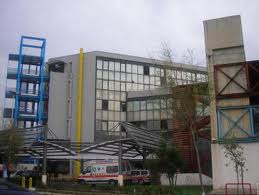
When we lived outside Naples, our local hospital was called La Schiana for the small mound on which it perched rather than its grand official designation: Ospedale Santa Maria delle Grazie di Pozzuoli. The city of Pozzuoli was old before the Romans, a major Alexandrian port. The first cement came from there, the apostle Paul tarried there a week (Acts 28:13). Somewhat later, Sofia Loren was born there.

La Schiana wasn’t over-obsessed with hygiene. Treatment could be rough and ready (see a coming blog). Layout was odd, with the orthopedic clinic down a steep, narrow stairway, but we never waited more than five minutes for attention, always got good care and paid nearly nothing. So why complain?

Signage was poor, though. One hot summer day I was wandering about un-air-conditioned La Schiana, following vague, contradictory directions to the office I needed. When I seemed to be on the right floor, I figured I’d just walk around and surely stumble on my office. Light flooded the end of a long hallway. Bleary with heat, I moved toward it and entered a large, brightly lit room.

And there I was in La Schiana’s unrefrigerated morgue. Four mostly sheeted bodies lay on aluminum tables. Large men, it seemed, very still. A crucifix tacked to the wall. Nobody living there but me. An empty table stood waiting. For me? I backed out with precipitous speed, somehow found the right office and quite shaken, hurried home to find my neighbor Rosa.

“The corpses were just there where anybody could take them,” I blabbered. “There in the heat.” Rosa wore her now-familiar, “Pamela, you’re being a simpleton/American,” expression. “These weren’t people like us, she explained patiently. “They were poor nobodies. A good family doesn’t let loved ones die in a hospital.” I pointed out several cases in which this blunder might happen. Heart attack, stroke, accident . . . . Rosa shook her head.

“People from good families die at home. If they’re about to die, they’re sent home that day. If they do happen to die in the hospital, the nurse puts in an IV.” But the person’s dead, I interrupted. Rosa went on calmly, “puts in an IV and the body goes home in an ambulance. The death notice reads ‘died at home’ so the family keeps its reputation.”

I hasten to add that death practices are different beyond the outskirts of Naples, but this experience put a little lightness in La Schiana. Whatever happened, nobody in my family would die there.

Tagged with:
Posted in WWWS

Is Opi real?

It happens at books groups that someone asks if Opi is real. Oh yes. And it has been real for a long time, as the site Opionline can tell you in English and Italian. Altitude 1250 ft, current population 500, it sits on a plateau between the Sangro, Fondillo and Fredda valleys. People have been living in, on, and near Opi since Paleolithic times (as Carlo points out in Chapter 1), and the name may come from a pagan goddess of abundance (wishful thinking) venerated by the ancient Maris and Samnite peoples.

Or not. “Opi” could be Roman, from the Ope, wife and also sister of Saturn (we won’t go further on this point). Or from a priestess of a temple of Vesta for which Opi was considered a sacred village. Or maybe not. Maybe from the Latin “oppdium” or fortified castle. Anyway, Opi got itself a name. And then the trouble began.

In medieval times, command of the valleys and towns was hotly contested by local lords, various invasions from the north, brigands, feudal powers and constant quarrels with neighboring, somewhat larger Pescasseroli. Shortly after the time of my story, mid 1880’s, the exodus to America began, with 500+ people leaving over the next 15 years. On July 31, 1901, a horrible earthquake struck the town. Emigration from the hill towns throughout the 20th C continued the population drain, although tourism, particularly eco-tourism and cross-country sking is bringing back some young people.

The last time we were there the town was in a fury of excitement to welcome home one of their own who had just won the Italian cross-country ski championship, seizing it from the northern Italian, heavily sponsored skiers who suffered a major blow to their sense of entitlement. Hah!

Tagged with:
Posted in WWWS

Bianca’s queen

I just pushed “send” on the first chapters of my next novel, winging them to my agent. Soon, I hope, we’ll be on the journey to a second book. A long journey, since there are just these chapters, a plot outline, and mountains of notes. But now what about today? I feel that hollowed out way I remember after a difficult exam in college, unable to start anything new, maybe drifting over to the bookstore or walking around campus to see if anybody I knew was similarly walking around.

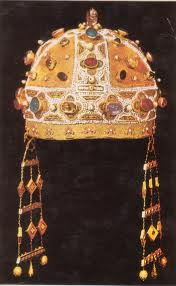
The new project, also historical, has a female protagonist, Bianca, a lute and a chess player in the household of Costanza D’Altavilla (1154-1198), who wore the crown you see here, and was married to Henry VI, Holy Roman Emperor (d. 1197) of whom it was said, “No man  saw him smile.” He’s here below. Bianca is in my head. She is slightly gap-toothed and being in this household was not her plan. She is beginning a journey.

Tagged with:
Posted in WWWS

Rough Translation

Recently friends asked Maurizio to translate an email from a Sicilian bed & breakfast where they had wanted to stay. The oddity is that this email was in English, sort of. After explaining that there was no “bad” to be had there (“bed”?)  the message went on to speak of the B&B’s wines. It ended, “If you are drill, you can visit where we make them.” Over some of our own wine, we pondered this “drill” idea and came up with increasingly ludicrous intentions. Finally Maurizio had the illumined idea to enter this “English” into a free on-line translation site. And there it was. In Italian, “drill,” as in electric drill, is “trapano.” The B&B is in fact, near the beautiful coastal city of Trapani. So the intention was maybe: If you’re in Trapani, come see how we make our wines.

Which made me wonder about the Trapani-drill issue. Were there drills involved in the making of Trapani? Well, sort of. Trapani, like much of southern Italy, was settled by Greeks, who called it Drepanon, or “sickle,” because of the shape of the harbor. Which is not exactly a drill, but both are cutting instruments. Linguistically, d and t are very close, so the switch could happen easily.

But there are older stories of origin, both rated R (sex and violence). First: when the goddess Demeter was chasing after her daughter Persephone, whom Hades had kidnapped, she dropped her sickle in the confusion. And that sickle became (maybe) the port of Trapani or Trapani itself. Or the sickle-drop just happened there. Second option: When Saturn, the sky god, decided to eviscerate his father Cronus (why not) with a sickle, he dropped it in the sea (funny how butter-fingered these gods were) and thus created Trapani.

And the moral of all this is: don’t trust those free translator services. And by the way, does anybody have any rough translation stories to share?

Tagged with: ,
Posted in WWWS

Irma goes Dutch

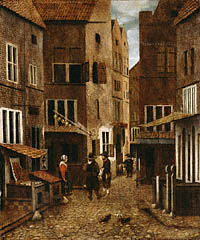
I have just found out that the Dutch company Karakter has bid on When We Were Strangers. This is very nice since with Polish rights sold and now Dutch coming, we are closing in on Italian sales. Here you see people before Irma’s time, passing the time before they can read the book.


Tagged with:
Posted in WWWS

Buying holy water in Loreto

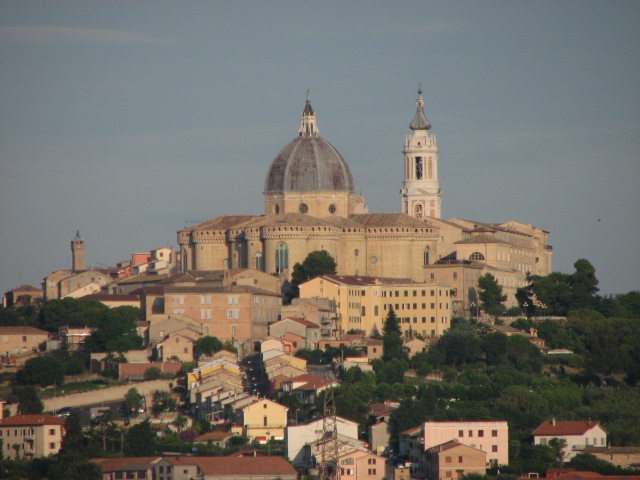
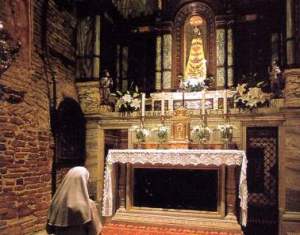
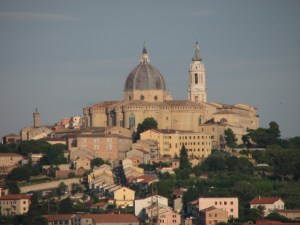
Near Ancona is the hill town of Loreto, an international pilgrim Mecca since it hosts the House of Maria. That Maria, the mother of Jesus. You may wonder what it’s doing in Central Italy and also why it’s so Baroque, with dark black stone walls, a lot of gilt, elaborately carved stools and lamps hanging from ornate wrought iron fixtures. There are several theories.

The one I heard first is that angels hoisted the house from its foundations in Jerusalem and took it for a few centuries to Croatia. There are lovely beaches there, which may have been the attraction for Angelic Transport, Inc. In any case, in due time, the angels up and flew the house across the Adriatic. Where to put it now? The thing must have been heavy, even for angels. By Loreto’s good luck, an arrow-shaped rock formation off the coast clearly pointed to Loreto, a poor hill town at the time, lacking unique resources or pilgrim attractions. The angels set down the House in the main piazza, minus one wall which had fallen away during transport. These things happen. Then the angels went off or up or wherever they go. The grateful town built an ornate church around the House and suddenly Loreto was on the map. As you can imagine, the House of Mary was a far, far better draw than the umpteenth nail from the Cross.

The second theory is that a returning Crusader, devout, credulous, or merely mercenary, by the name of Angeli (that is, “Angels”) acquired the House for ready cash. Lacking literal angelic transport, he had it disassembled, packed with instructions (IKEA-like) and transported by ship. I read somewhere that its first stop was Naples but then came north as part of a noblewoman’s dowry in the 16th Century. This timing is strangely congruent with the architectural aspect, but let’s not be cynical.

There are other theories but we move on.

A couple years ago I was taking friends to Loreto and my father in law, then rapidly declining, announced that holy water could cure him. Cesare had never been practicing, devout or particularly superstitious, but it was a modest request from a very sick man and I promised to get some. Outside the veritable House of Mary, I figured, holy water must be as easy to buy as postcards. Not quite.

My friends, Daniel and Jeannine, are practicing Catholic, but not of the Holy Water kind, and a childhood of white-bread Protestantism left me quite unprepared. The process was  so self-evident to my informants and so non-intuitive to me that in the end Daniel and Jeannine, just sat down on the sunny steps to the church and watched, bemused, as I went to and fro on my mission.

First, you find the “library,” which is actually a store for religious objects, not in the church but in a poorly marked in a side building. I asked for holy water and was told, severely, that it could not be bought. The library only sold containers for same, in various sizes. I got the smallest vial, which was carefully wrapped. I asked where one “got” (not “bought”) the water. Anywhere, the clerk said impatiently, as if I were quite dense. From a water bottle. Did they sell bottled water?  No. “Go to the fountain,” said the equally impatient woman behind me. “Get the water and get it blessed.”

So I took my package to the marble fountain in the piazza, unwrapped the little vial and tried to fill it, which was tricky, since the opening was small and the fountain gushing. Back to the church, threading through pilgrims, many in wheel chairs, I asked around and finally directed to line snaked in front of a weary, bearded friar-looking fellow in a brown robe seated at a high desk.

The drill, I gathered, is that you put a coin in a brass slot marked “offerte” (offerings), conveniently located between friar and supplicant and he did the blessing. I asked how much one put in the slot and was told in whispers that one euro (about $1.40 then) was “enough.”
The line moved slowly, then stalled when the couple head of me reached the friar. Only then did I notice their shopping bag. Out came pictures of (I supposed) various family members, a couple cars, a cat, a beach house, a pregnant woman. There were keys put on the desk, a couple rosaries, some envelopes, various vials of water. A water bottle. All for a euro, quite a bargain, but I wondered in panic if every item needed separate blessing. Apparently not. The friar blessed the objects in batches and in 15 minutes the blessings were done and the now holy mess shoved back into the shopping bag.

I had been pondering what to say about Cesare’s condition, but there was no need. When my time came, the friar stared fixedly at the “offerte” slot; I put in my euro; he muttered something over my vial; made a weary cross and that was that. Threading out to the blinding sunlight where Daniel and Jeannine were patiently waiting, I felt closer to Martin Luther than ever in my life.

I wish I could say the water helped. My mother in law dumped the vial into a glass of tap water and gave it to Cesare, who I think had already forgotten his request. His condition did not improve. But I had been a good daughter in law and that’s its own small blessing.

Tagged with:
Posted in WWWS

Medieval garden dwellers

Here in steaming Knoxville, I’m reading about medieval gardens for my next novel, set in 1190 in what is now Italy and Germany. From my study I look over the little crescent of sunny land that Maurizio and I precisely divide between beauty and color (my flowers) and sustenance and taste (his herbs and vegetables). We once had a set-to about his scraggily sage plant which had crossed over to the flower side without the aesthetic accomplishments (I thought) to earn her place. Fortunately the sage, with a little pruning, is looking well now, a soft gray-green border between art and nature.

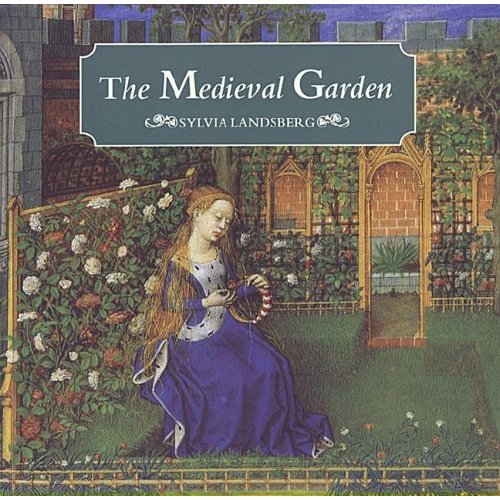
With pleasure gardens, orchards for fruit and orchards for beauty, gardens with pentices (galleries) for chess and backgammon, kitchen gardens and meditative garden paths, the medieval garden was far, far more philosophical than our little sunny crescent. Sylvia Landsberg’s lovely The Medieval Garden includes a French illustration of a “walled pleasance” in which Nature invites the Lover to enter the garden of delight, but ah, once inside he must choose: there is a lady of fleshly love, a lady of wisdom, a lady of courtly womanhood. Lover wears a tunic that seems to be of peacock feathers and delicately holds a white mastiff dog. Which lady shall he choose?

And we, with our caladium, coleus, cucumber, tomatoes, and the many hot peppers that Maurizio adores have wholly neglected the other inhabitants of so many medieval gardens, the lovely growing vertebrates. Landsberg quotes a description of a “small enclosure” tended by the nuns of Poissy: “There are antlered deer that run very fast/ There are hares and rabbits in profusion/And two fish ponds running clear,/ Well constructed, well protected with a strong wall/ And full of fish/ And there a plentiful supply of wild goats/ What more can I say? I would never be tired, winter or summer,/ Of being in that house, if God was with me,/ It is so beautiful.” A garden created by Robert of Artois in 1288 “planted” more adventurous species: lions, leopards, lynxes, camels and porcupine. Monkey puppets in cunning little frocks of badger fur were animated by strings to beckon visitors to the garden delights.

Alas we have no little monkeys in badger suits.

Tagged with:
Posted in WWWS

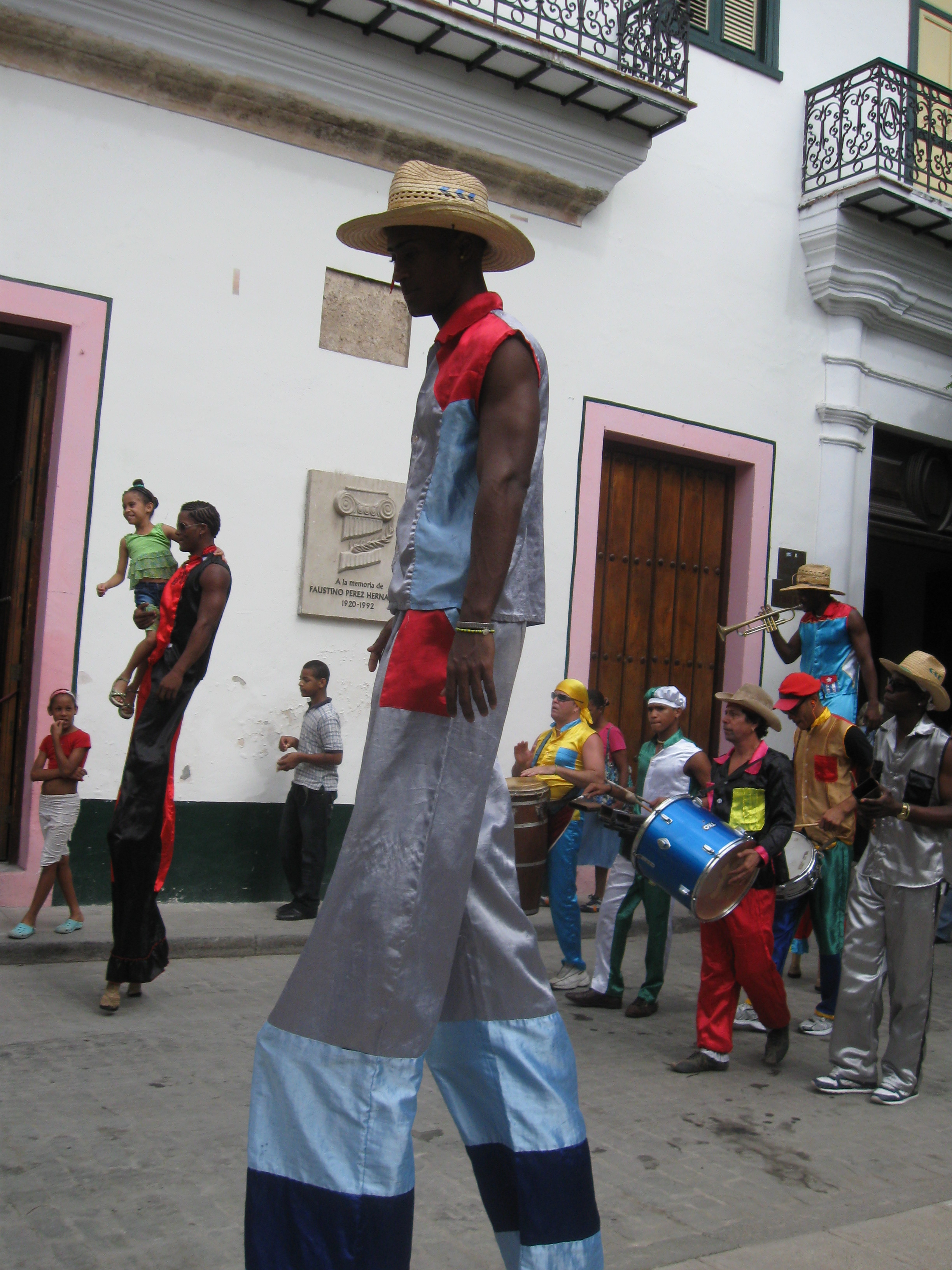
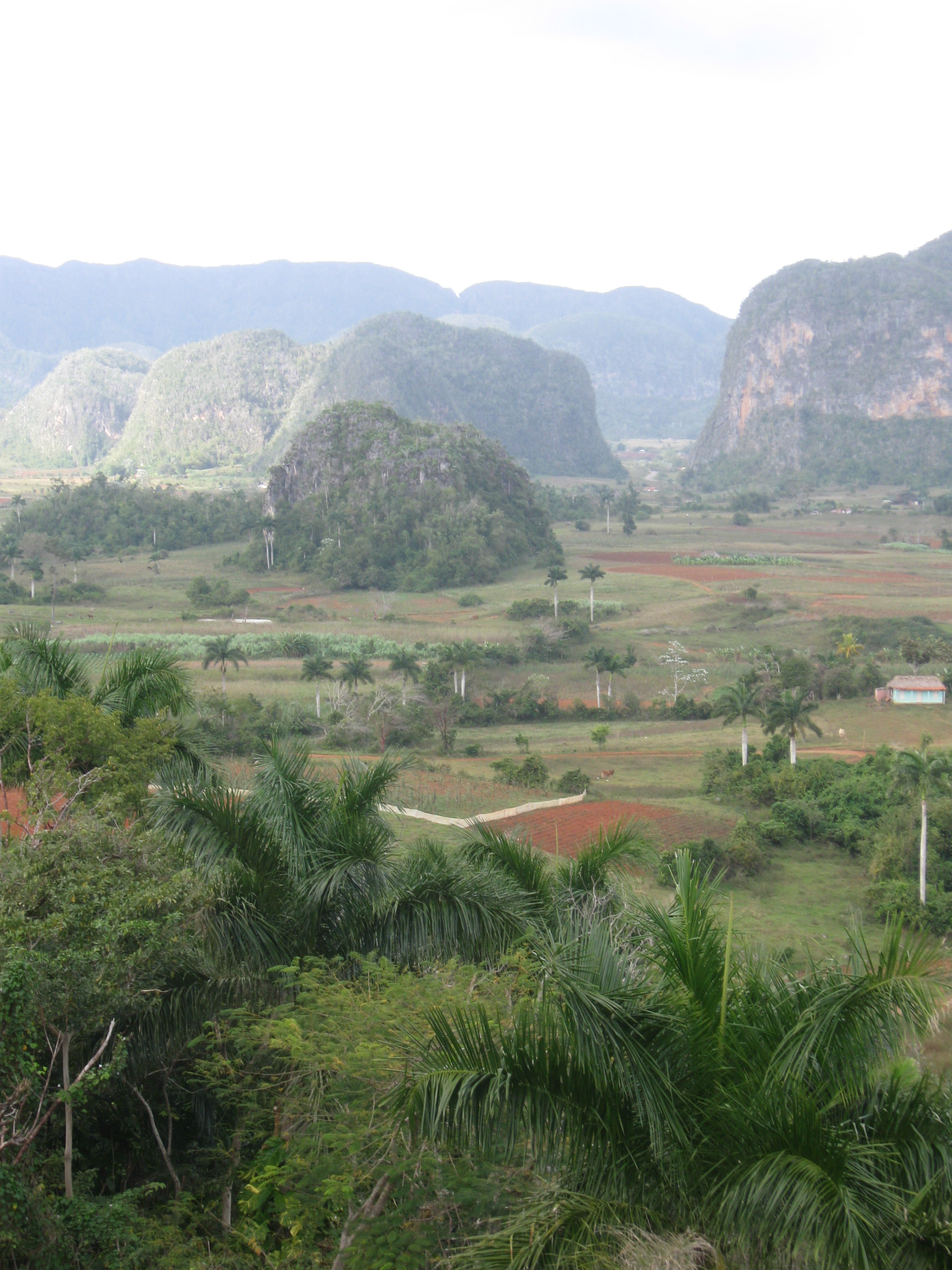
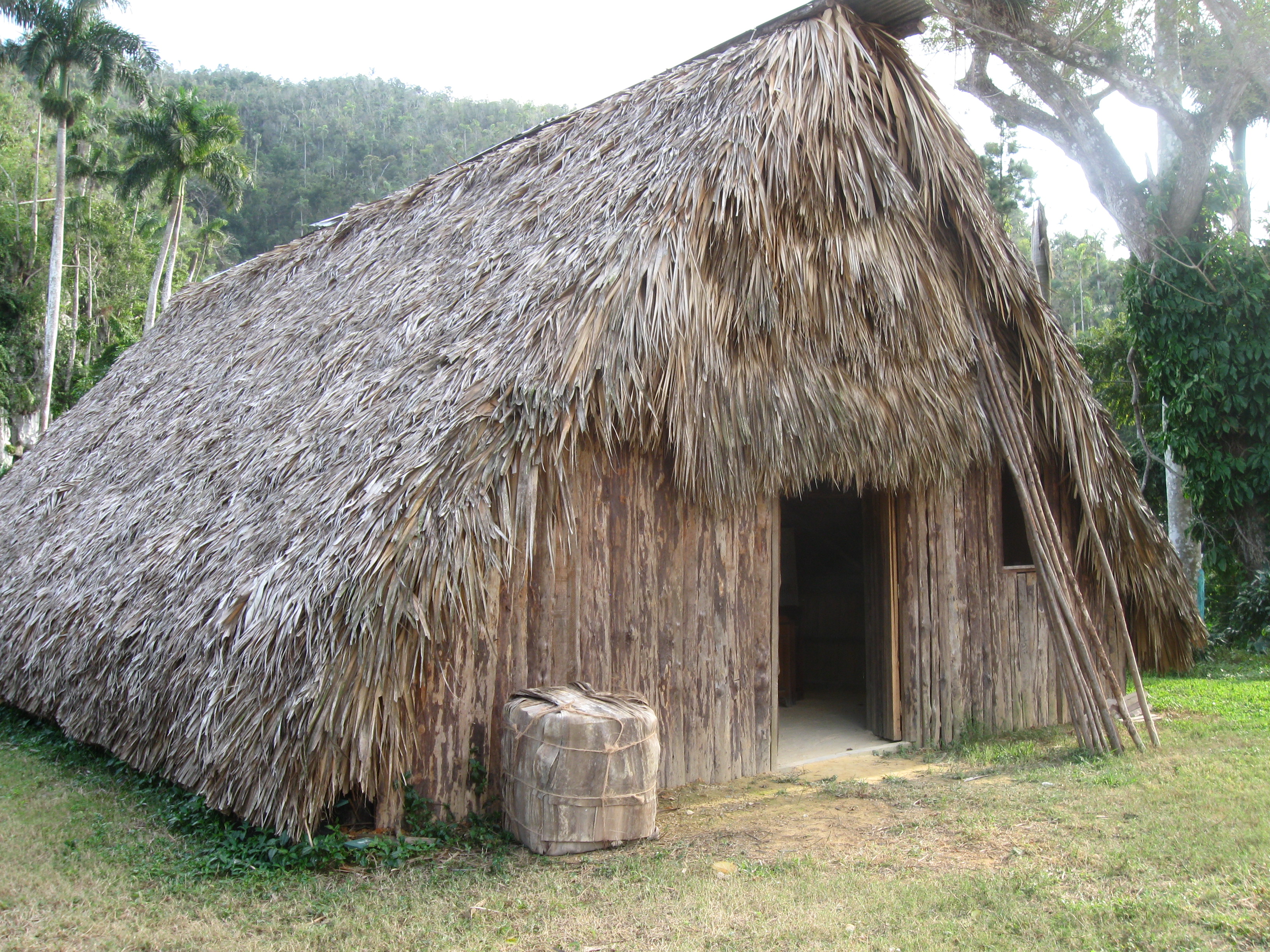
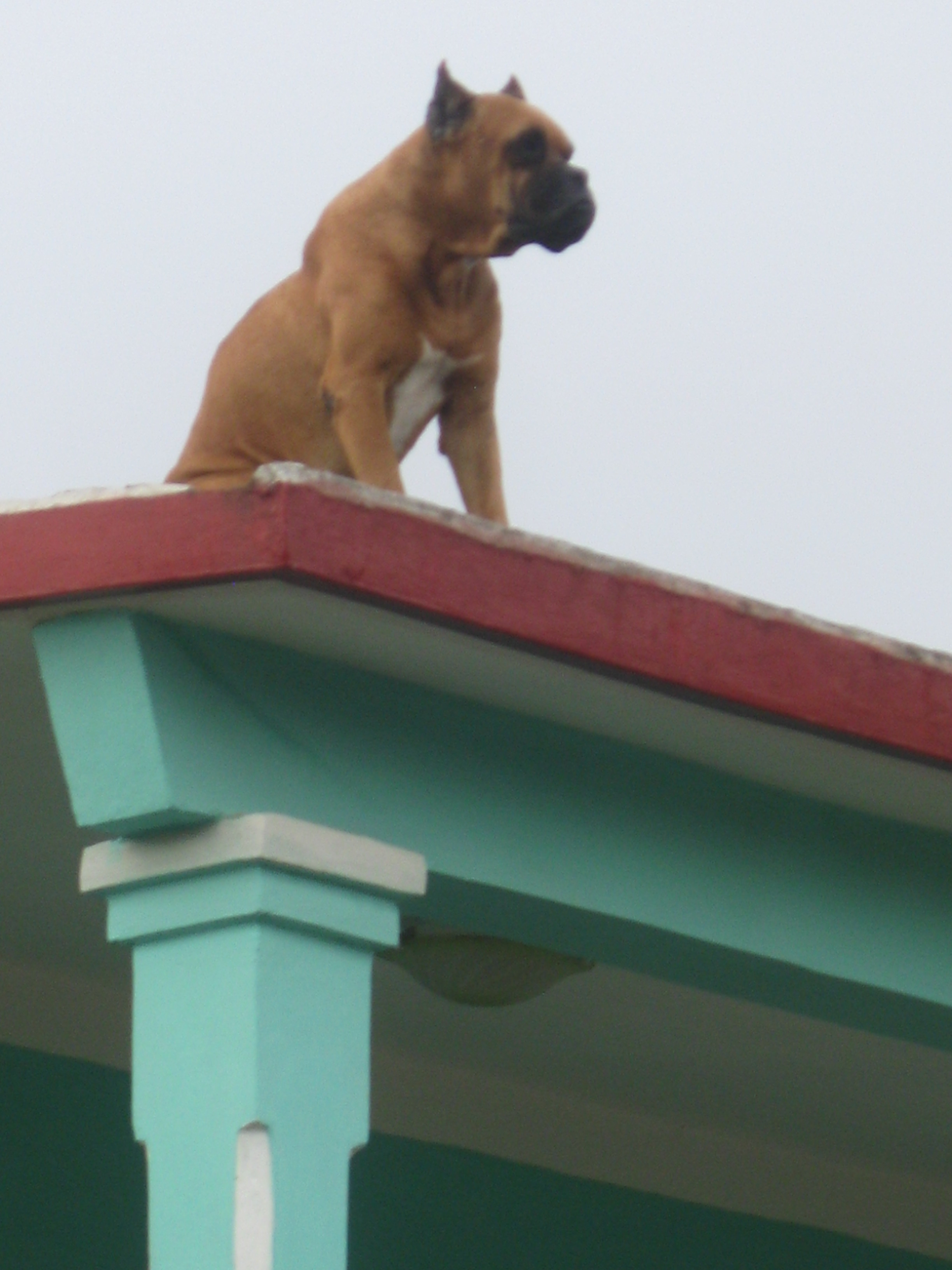
7 views of Cuba

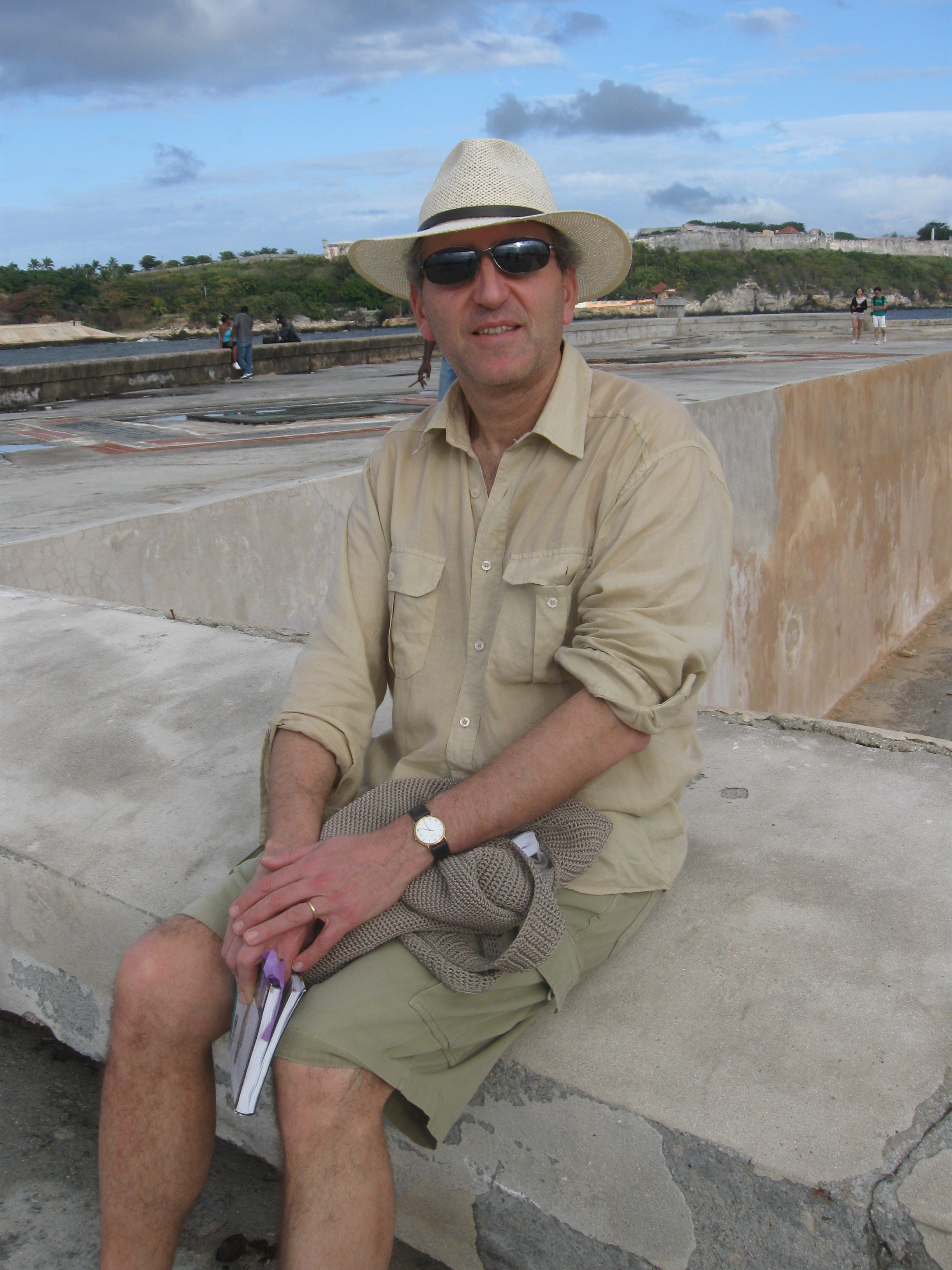
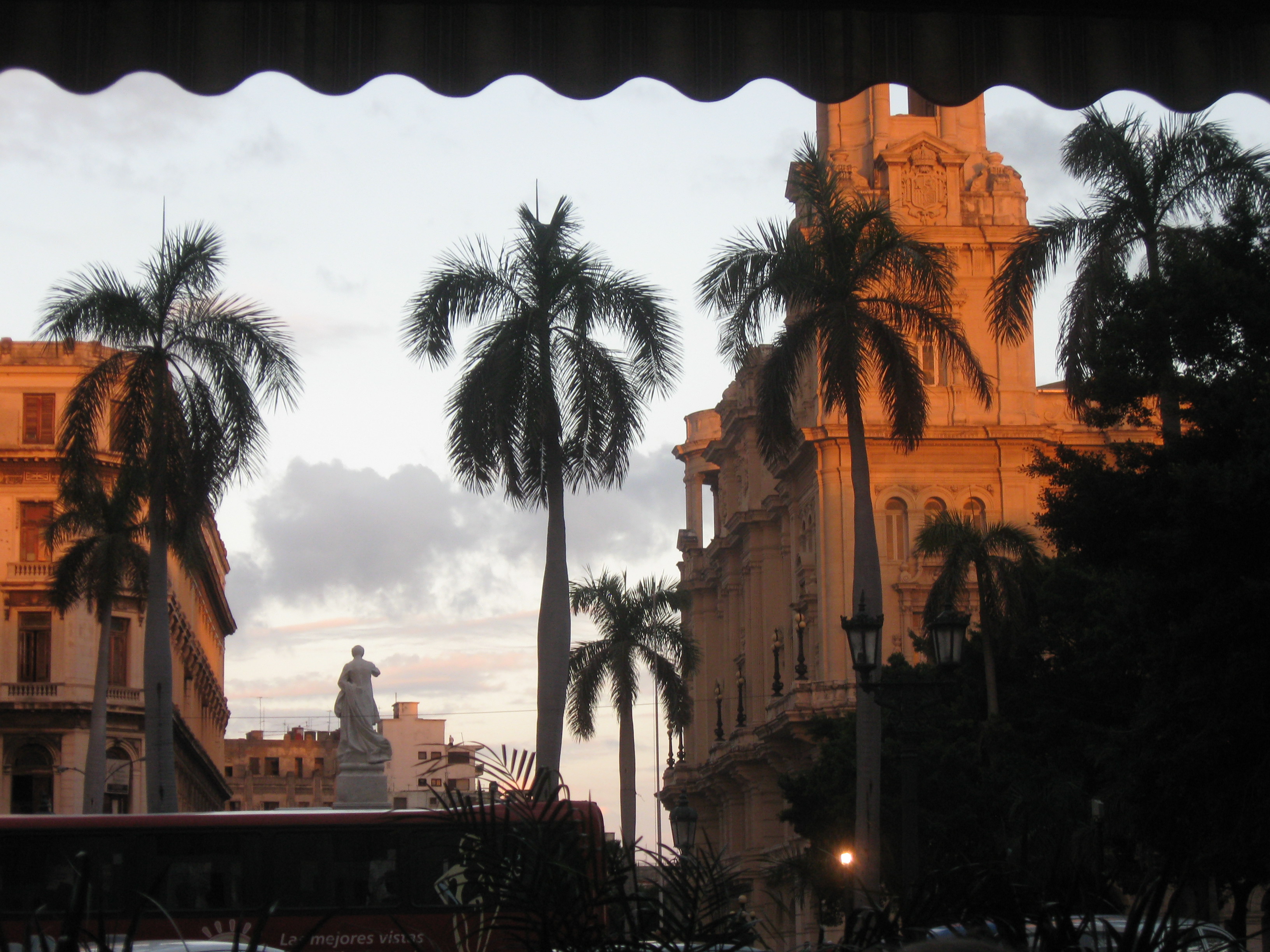
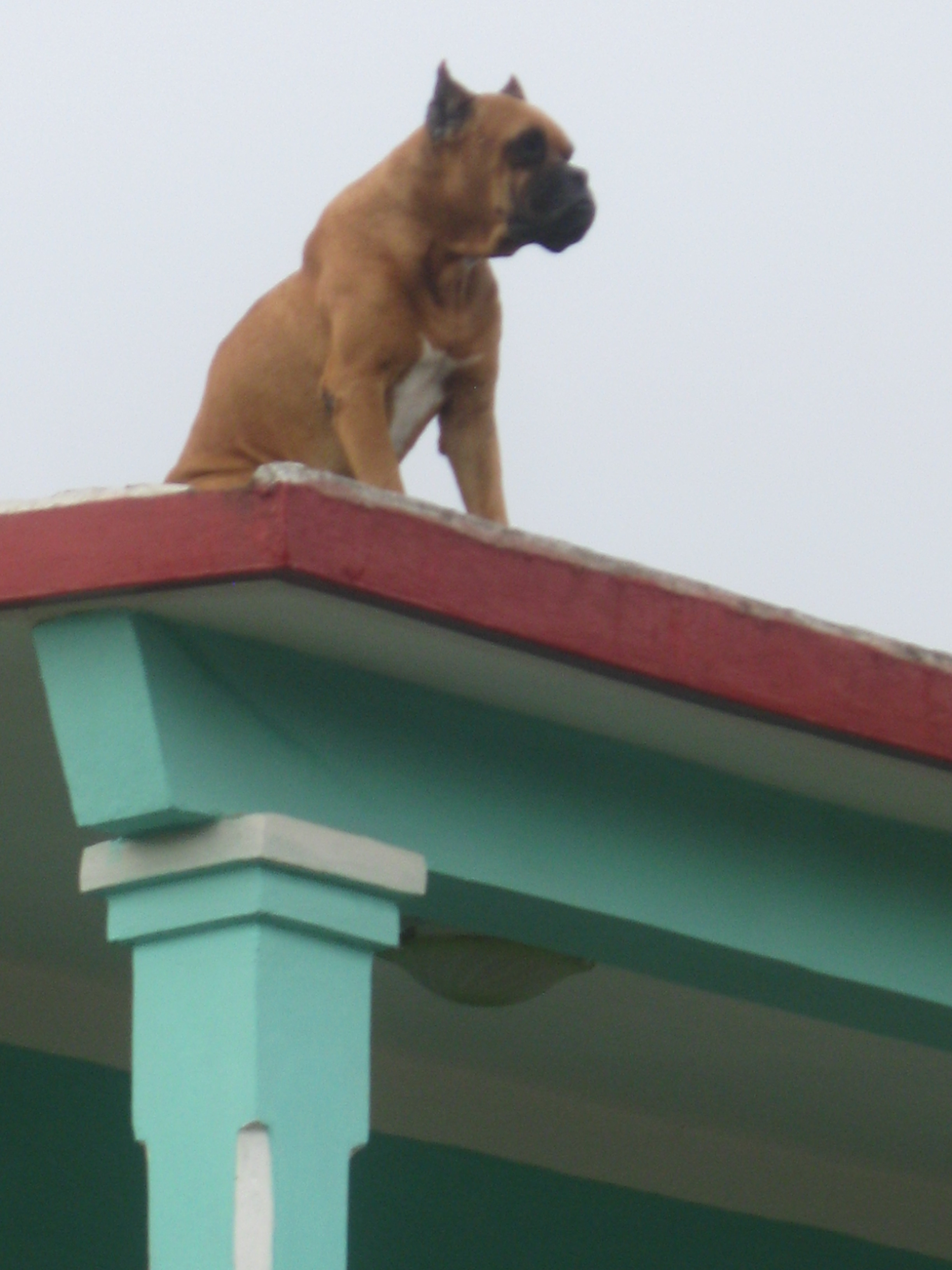
We were in Cuba last year and here are some pictures. Since I can’t figure out how to arrange them artistically, scrapbook-like, here are the captions. The corresponding image should be easy to figure. There’s Maurizio on the Malecon in Havana before a warm evening rain. A view from a bar in the twilight. A stiltwalker. The strange landscape of Vignales, west of Havana, and a tobacco shed there. Still in Vignales, refrigerator delivery and a dog on a hot tin roof.


Tagged with:
Posted in WWWS
Recent Review
“Absorbing and layered with rich historical details, in Under the Same Blue Sky, Schoenewaldt weaves a tender and at times, heartbreaking story about German-Americans during World War I. With remarkable compassion, the author skillfully portrays conflicted loyalties, the search for belonging, the cruelty of war, and the resilience of the human spirit.”—Ann Weisgarber, author of The Promise and The Personal History of Rachel Dupree

Enter your email address to subscribe to this blog and receive notifications of new posts.

Join 122 other subscribers