
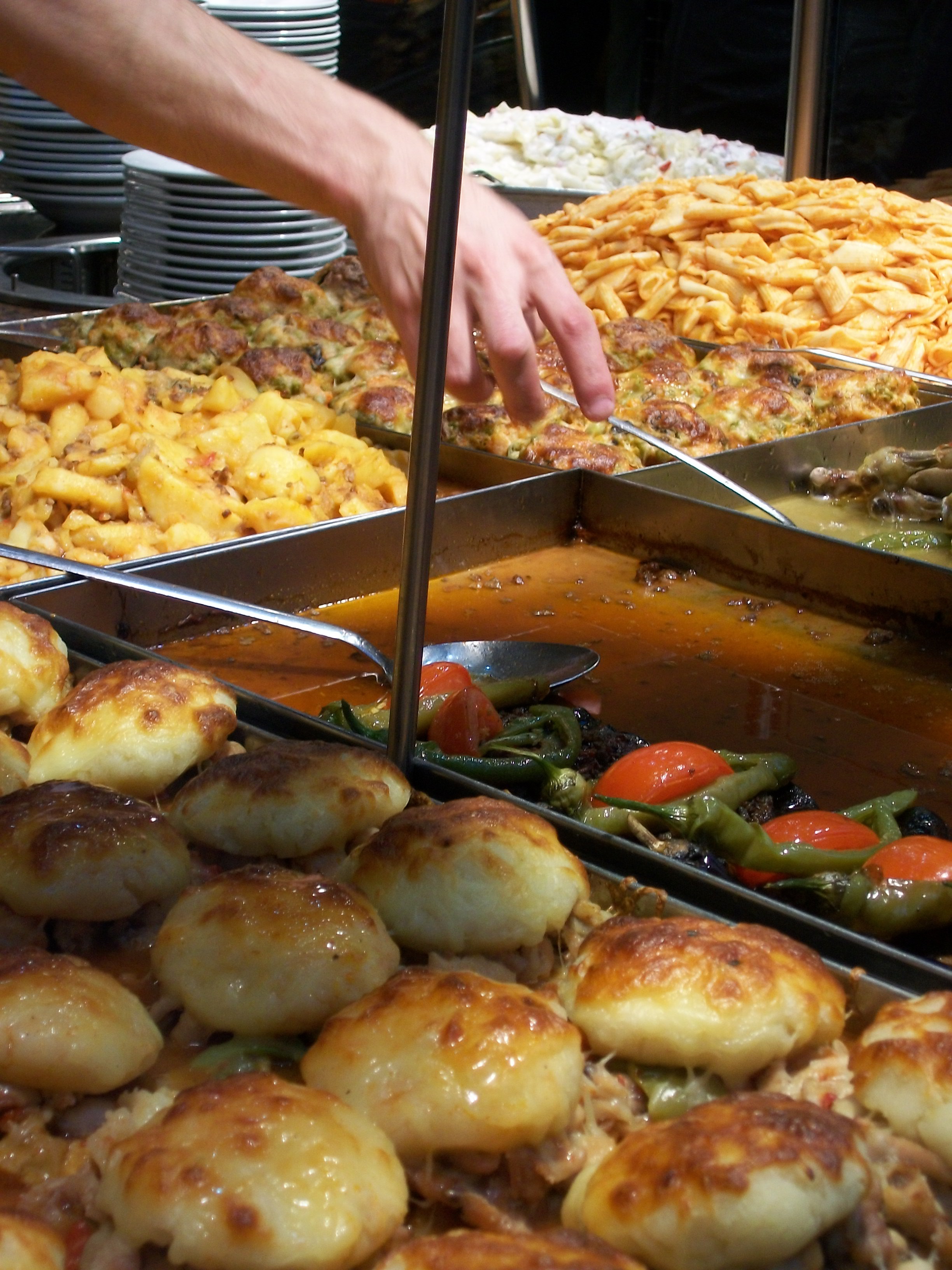
 In the brief time we were in Istanbul last month and not in hospitals (see earlier blog post “Cat in an Istanbul ER”) I did take some pictures of wonderful Turkish food I didn’t get to eat. So, in a sheer expression of vicarious gustatory delight, I offer these images.
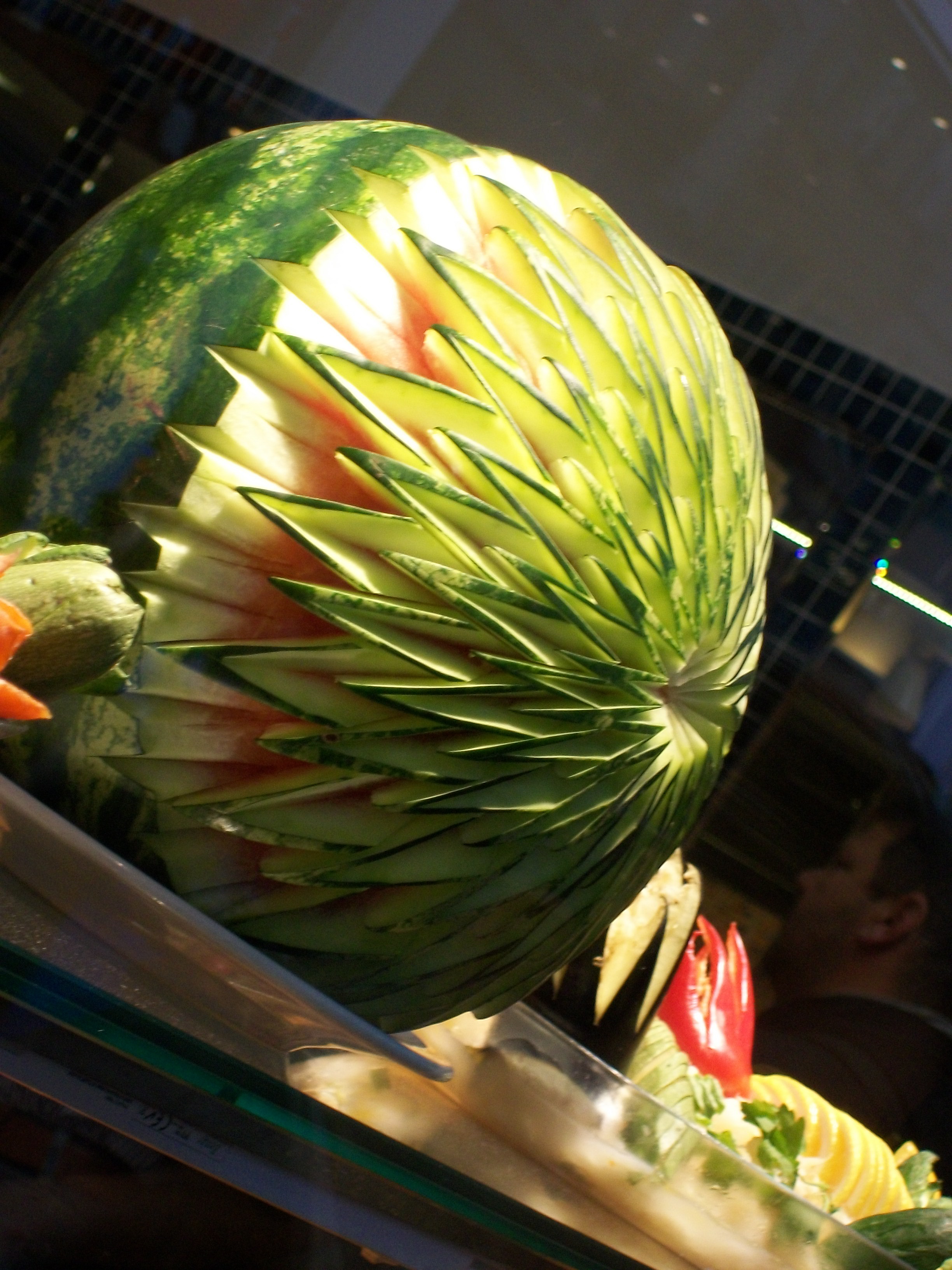
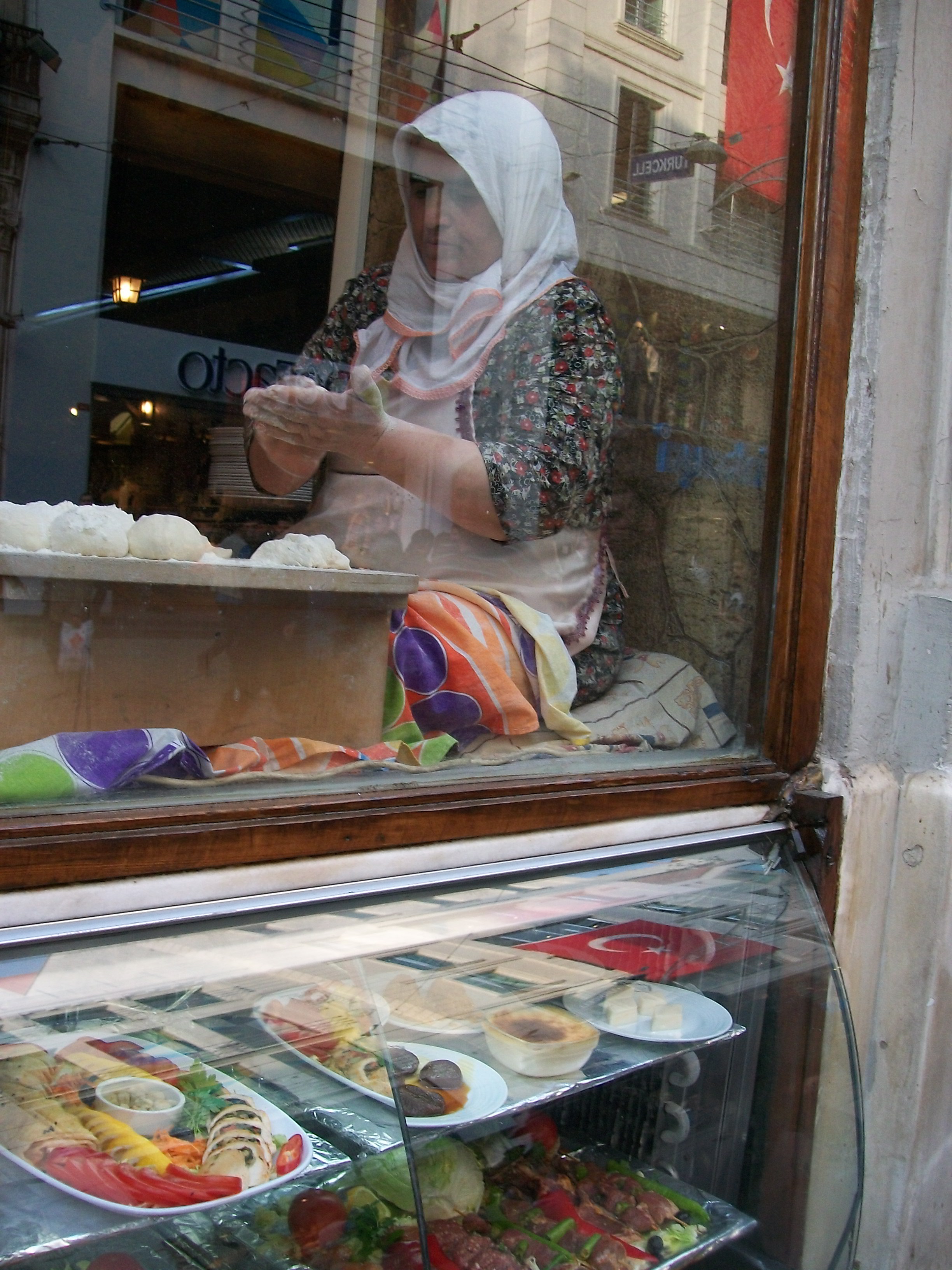
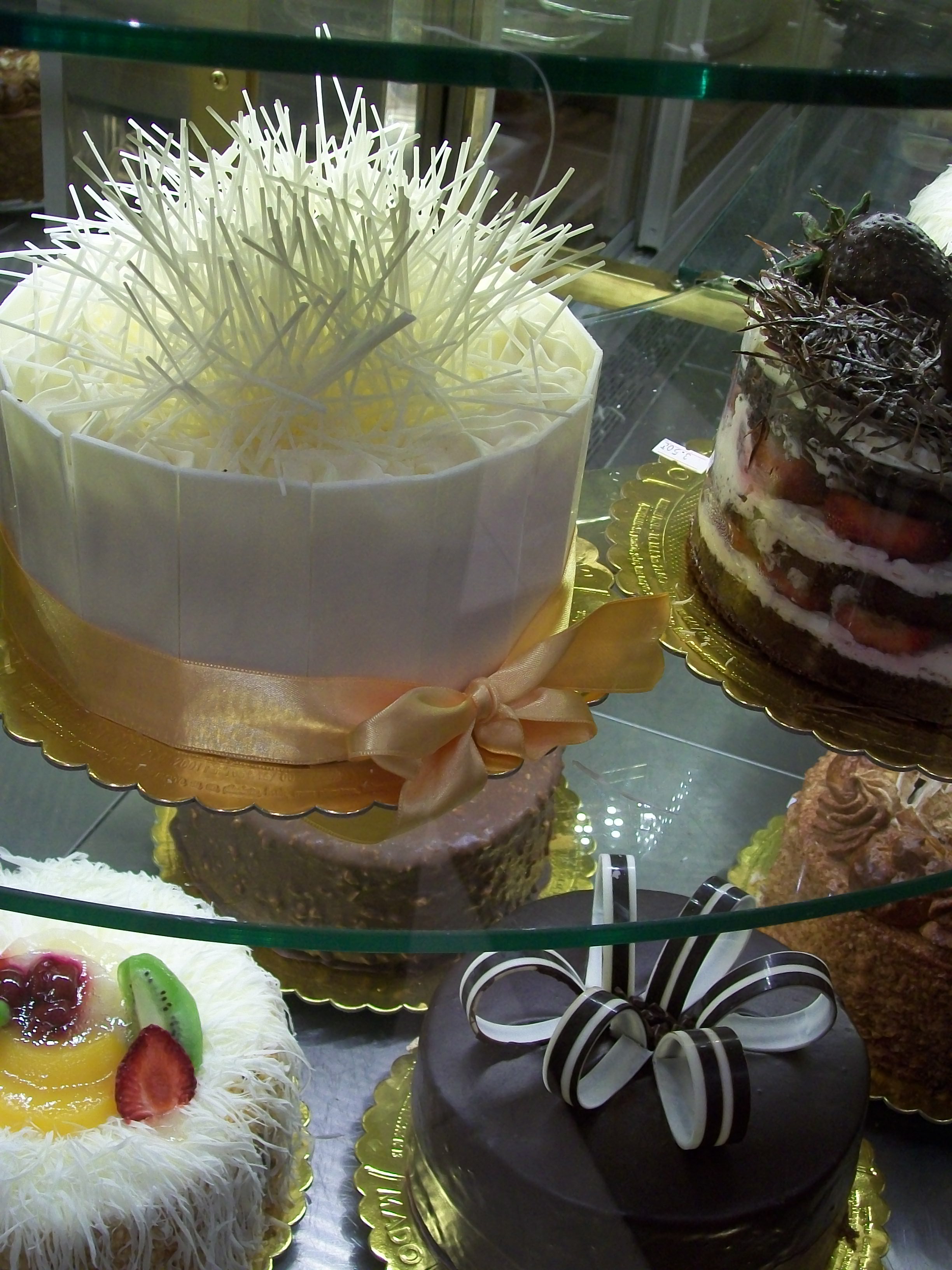
Turkish delights
Foreign-born in 1860
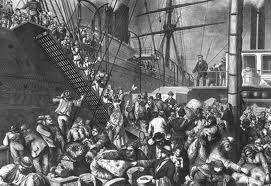 Not a lot of prose in this post. I’ll just share some stunning numbers. Such as, 400,000 immigrants served in the Union Army. The foreign-born population doubled between 1850 and 1860, with most of the newcomers from outside the British Isles. What did this mean? Well . . .
1/3rd of the first generation immigrants here before the Civil War were German.
Milwaukee and Cincinnati (sometimes called “Over the Rhine”) were half German.
47% of the population of New York City was foreign born.
States with highest percentage of foreign-born in 1860
California- 38%
South Dakota- 37%
Wisconsin- 35%
Minnesota- 34%
Utah- 31%
Nevada- 30%
Washington- 27%
New York- 26%
Nebraska- 22%
Massachusetts- 21%
Rhode Island- 21%
Michigan- 20%
Illinois- 19%
New Jersey-18%
Connecticut- 17%
Iowa- 16%
Pennsylvania- 14%
Missouri- 14%
In 1860, the only southern state with a large immigrant population was Louisiana with 11 percent. South Carolina had 2 percent foreign-born and Georgia had 1 percent. Overall, 3.6 million foreign-born lived in the North and 400,000 lived in the South.
Source: Patrick Young, “Immigrant America on the Eve of the Civil War,” March 2, 2011
Naturally, there was push-back and hostility in many areas, but in an expanding economy, and especially when the Civil War created a desperate need for fighting men, nobody talked about building walls. It’s good to hold these figures in mind, I think, when looking at today’s immigrant situation.
Ancona’s millenium of little hands
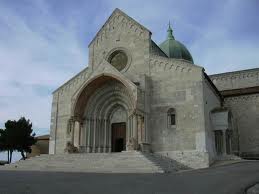 Ancona, Italy – the name comes from the Greek for “elbow.” Ancona is a stubby elbow into the Adriatic in the quiet charm of central Italy with rolling fields of lavender and sunflowers, serene hill towns and limed soil that yields a rich, tangy red wine called Rosso Conero. It’s Maurizio’s city and we go there every summer. Ancona enjoyed a modest medieval glory and it was then that the Basilica of Saint Ciriaco, patron saint of Ancona, was built on the ruins of a pre-Christian temple to Aphrodite which had briefly (for 600 years) honored Saint Lorenzo. In 1071, the bones of Saints Marcellino and Ciriaco were moved to the renamed and embellished structure built of the creamy white stone that makes Mount Conero, source of Ancona’s lovely wine.
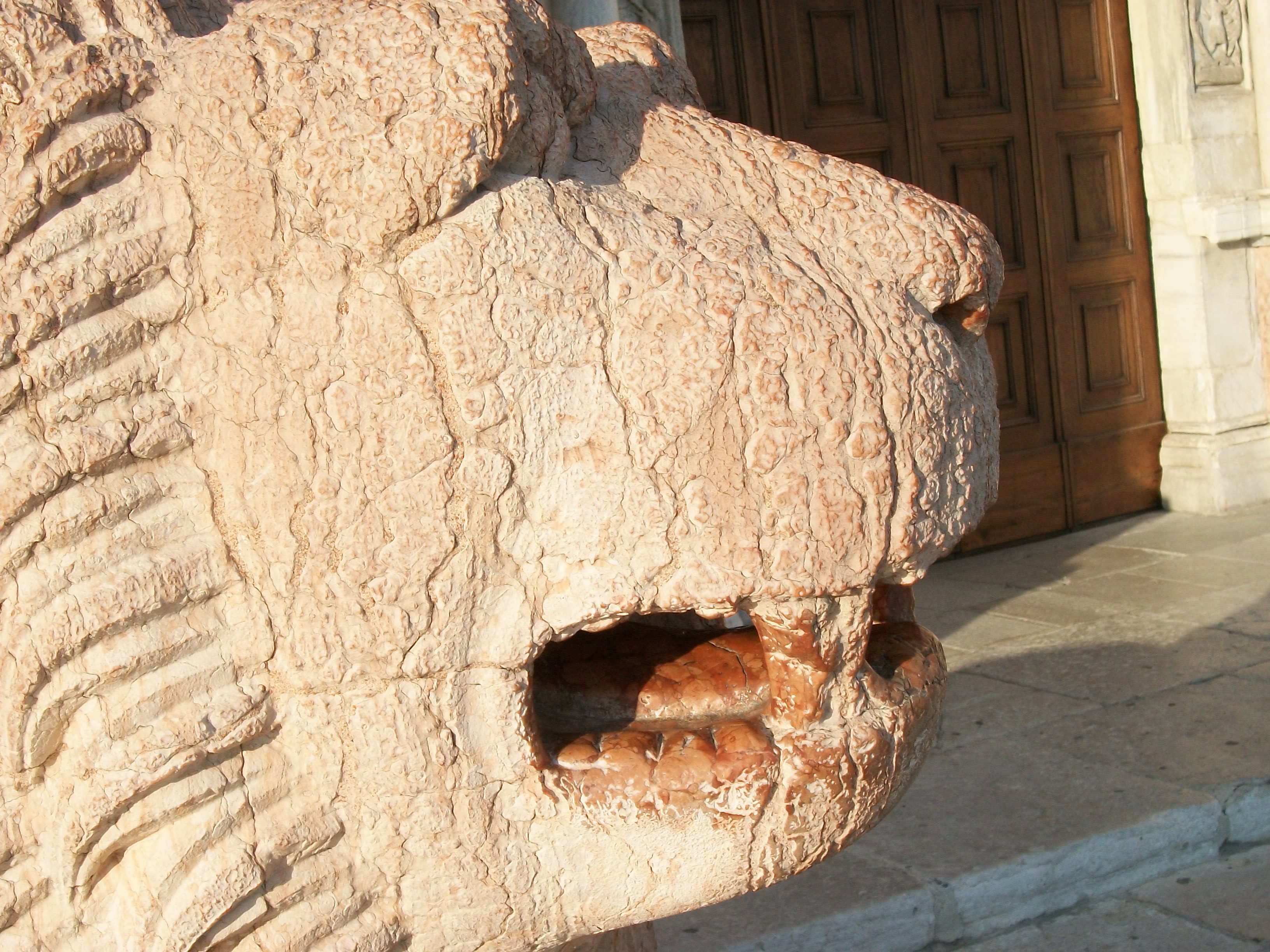 Two lions guard the great doors of the basilica, supporting its massive columns. Facing out to sea, the crouching marble beasts have been pitted and corroded over time. Only two parts are polished silky smooth and ruddy: the backs and the seemingly bloody mouths. An adult hand can’t fit between teeth and gums. Ten centuries of children have done the patient work of polishing. When Ancona was besieged by the Holy Roman Emperor, when she repelled him, grew powerful and received tribute from hill towns all around, when the Black Death raged, when the Renaissance surged out of Italy, in the long struggles for unification and the years of war, legions of children played on the lions. They came for mass, for feast days, weddings and holy days, now for concerts, recitals and school trips. Today Anconitani bring their children to the familiar beasts. We brought Silvia, age three, to the cathedral and no one had to tell her – she thrust her hand into the lion’s mouth and laughed.
Pensions, Italian style
 With the death of her husband, my lovely mother-in-law Sara plunges into the Byzantine world of Italian post-mortem bureaucracy. Yet recall that this is the land of Machiavelli, of official lexicons that border on the Baroque. Example: when I was studying for the Italian driver’s license, the literature had three (3) terms for “rear-view mirror,” one of which was, literally, “the automotive device which permits the driver to look in reverse.” Back to documents. Italy has one called “esistenza in vita” (existence in a life-state), which says that you are alive. Don’t laugh: there just may be situations in which standing there in all your personal glory in front of an official and having a valid ID just aren’t enough.
And there’s attitude. Once I did a translation for the physics department of the Universita’ di Napoli. To get paid I had to produce a notarized document that I was not a member of the Mafia. Because, of course, a Mafioso, doing Mafia things would naturally recoil from signing such a document; his right hand would wither. So I go to the appropriate office and present my carta d’identita’ (identity card). The clerk glares at my last name. Mind you, there are Italian last names as long as mine (12 letters) but mine is German. She begins the “S” half-way on the line for “cognome” (family name). “Excuse me, signora,” I venture, “there may not be enough space.” Nothing, she grimly scratches out the letters, gets to my “w” (an interloper letter, shunned in the true Italian alphabet ). “I have no more space!” she announces, “and still the name goes on.” The cement shoe business is clearly preferable to brandishing my name. Somehow she curls the name around. I have spoiled her lovely document. She looks from my carta d’identita’ to her form and taps the line for “nome” (personal name). Most Italians have no middle name except in the case of a consistently-used double name like Giovanni Paolo, Anna Maria, Marco Antonio, and so forth. A sometimes used middle name, American-style like mine, Jean, just doesn’t fit the system. Either I’m Pamela Jean always and forever OR, if I want to be sometimes plain Pamela, all my ID must say Pamela, Jean (note the comma?). I have no comma. I’ll spare you the rest of the encounter.
And there is the aversion to information-giving. Ancona, my husband’s city on the Adriatic, is more organized than Naples, where we lived, but when we wanted to get married in Ancona and Maurizio called the city office to see what documents were required, he was asked to come in for that information. Ancona is 5 hours from Naples, he noted. “It would be better to come in. The problem,” said the official, “is that people are annoyed when they receive incorrect information by phone.”
And there are the agencies. Sara must “denounce” (i.e. report) that her husband has died, ending a good part of his pension. She does this at an agency called by its initials, IMPDP, or as spoken, “Impdup.” Now “impdup” to me sounds like some arboeal Indonesian mammal with a pesky temper. It certainly isn’t like any Italian word. Yet, in the face of all she has endured, poor Sara must go around saying “Impdup,” asking for Impdup offices and Impdup forms and Impdup stamps. She’ll do it and she’ll make the exquisite pastas and divine stuffed rice balls she prepares for our summer visits, but still . . . To shoulder through the land of “documenti” clearly builds character and perhaps, who knows, that character may have helped create the Renaissance.
Cat in an Istanbul ER
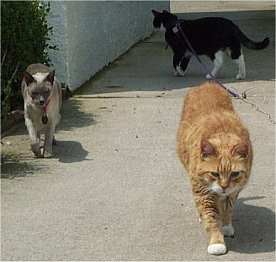 Maurizio and I just got back from Istanbul. It was not the vacation we had in mind. I did get to see an ER facility in a local hospital in the capacity of patient, having collapsed because of what we now know was a bleeding ulcer. But back to the hospital. It was certainly shabby, a little more shabby than the one we used outside of Naples. The wheel chair had no footrests, a small thing, but it’s hard to hold your feet up, I discovered, with a blood pressure of 80/40, which the somewhat bi-lingual doctor referred to as “very small blood.”
The treatment room featured a cement floor and bare bulbs, not that clean perhaps, but I was there within minutes of arrival, given EKG, IV, blood tests, all with skillful efficiency and a deft needle-stick. I had no ID with me, certainly was not a citizen and yet was treated with courteous care because (now here is the un-American thing) I was sick and needed help. Female patients enjoyed the benefit of blue cotton curtains.
There was no chair for Maurizio in our cubicle but, poor man, he was too agitated to sit. Thinking of stroke-like causes, he was all for constant social interaction or at least signs of cognitive activity. But spunky I wasn’t. At one point he announced, “Hey, there’s a cat.” It occurred to me that Maurizio was losing his mind or becoming a little desperate in attempts to rouse me. With some difficulty, I peered over the gurney and there indeed was one of the many, many cats prowling the city. The cat wound around my IV pole, explored our space and then wandered under the curtain to my neighbor, an older woman in a hijab attended by various worried relatives. By their delighted laughter and excited commentary, I divined the Turkish for “Hey, there’s a cat.” I felt better and I hope my neighbor did too.
Soon after, our nurse appeared, switched out the IV bag and fetched my blood test results. A pleasant doctor assured Maurizio that I was “taman” or stable for release, and we paid. About $30. Those hours were, I think, some of the finest medical care I’ve ever experienced. More cats in our ERs would not be a bad thing. Less obsession with sterility and a little more indiscriminate compassion.
Why cooks didn’t burn
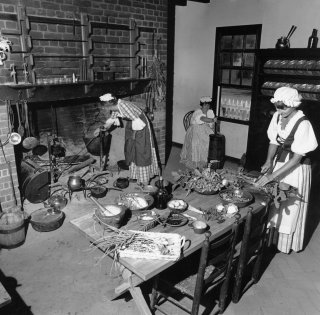 A couple weeks ago, I was visiting my high school friend Monique for a book reading at her fabulous library in Franklin (see blog “Writing Your Ancestors in Franklin, MA”) We went to Old Sturbridge Village , a restored colonial settlement, or as Maurizio would put it, “a hut museum.” And there, watching a young woman chatting knowledgeably in front of an open fire, bustling about as she showed off herbs and sample meals and how to cook dumplings and prepared to make an apple pie with dried apples reconstituted in cider, I learned:
1. Back then, people had to eat 5,000 calories a day because of all this hard work reconstituting dried apples and plowing and planting and weaving and praying hard and penning tracts against Mother England.
2. Deforestation was so intense that log cabins were impossible to make and most houses had only clapboard. Very very cold.
3. If you had a couple cows you could keep a pig because the pigs ate cheese by-products. Who knew?
I asked what turned out to be the “everybody asks” question: Didn’t people get burned messing around open fires? Didn’t children get scorched? Well no, because:
1. You learn not to back into a fire.
2. The tight, long aprons push your skirt backwards when you bent over an open fire.
3. Natural fibers are less flammable.
4. They dressed little children in raw wool that had lanolin oils resistant to flames.
I had been worried about Irma getting burned while cooking over her open fires. As my sister would say, I can take this off my worry list.
Not to do in Italy
 Every country has codes, every culture has codes, even as globalization washes over us. I offer these few don’ts, these non si fa (one doesn’t do this) behaviors that I picked up by doing them in Italy and learning, oops, non si fa.
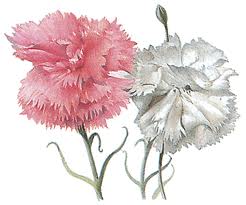
1. Do not give your mother in law a bouquet with carnations because these flowers are a sign of death.
2. Don’t drink cappuccino after noon because it’s a morning drink.
3. Don’t put parmesan on a fish pasta because non si fa.
4. Don’t pour wine backhanded, exposing your inner wrist. You may expose other body parts, if they’re attractive.
5. When four people are meeting and shaking hands, don’t shake hands over another couple while they are shaking hands (bad luck).
6. No matter how cold it is, take off your gloves before shaking hands. A little frostbite never hurt anybody.
7. In the south, don’t eat oranges after a heavy meal because oranges are “too heavy.” (I don’t get it, but I share it).
8. If you go in a bar in the evening for a pre-dinner drink and the bartender puts out cute little bowls with peanuts, little crackers, olives and potato chips, eat the potato chips very delicately, not in big bunches. Have one or two. Maybe three.
9. If you are a grown up female, don’t wear shorts and whoever you are, don’t wear socks with sandals because “that’s what Germans do.”
10. Whatever you are wearing, iron it. Don’t go around rumpled.
You can do most anything else.
Becoming your ancestors
 This week I went to the lovely Colonial town of Franklin, MA, near Boston, where my book was featured in the public library’s One Book One Community conversation about immigration. The town and library are named after Ben Franklin, who gave the little community some of his favorite books to start off their library in 1778. More on this later, but this post is about an event at the Franklin Senior Center arranged by the effervescent, incandescent Felicia Oti, director library director. So there we were in a sunny room at a big table with patrons of the center. Some looked in their 40’s and were actually in their 70’s. There was Stella who remembered being terrified by wolves when the family gathered around the fireplace in her native Macedonia. We spoke of family stories, of a grandmother born at sea on the way from Italy to America, fathers’ tales and needlewomen like Irma working in factories along the Charles River.
I’d like to share a couple exercises (below) that are fun and quick and will let you tap into the ever-full trove of story within us all. The trick is to be fast. These are just exercises: scribble with the certainty that whatever you write is right and true. Don’t spend more than 10 minutes on each one, don’t edit, just go. Enjoy yourself. And keep in touch — let me know what you come up with.
TELL US ABOUT YOU
Answer every question quickly and specifically. Sometimes handwriting is best for speed. Every answer is right. There are many ways an answer can be “true.”
1. I was born . . . .
2. Something I loved about the place I grew up was . . .
3. In my family, I felt closest to ________________, but . . .
4. What I loved to do was . . .
5. What they didn’t want me to do was . . .
6. I was frightened (or mystified) by . . .
7. Nobody told me . . .
8. Nobody understood why I . . . .
9. I have always had the ability to . . .
10. One fine day, I’ll . . .
11. Most people didn’t realize this, but I’m . . .
12. A story I’d like to tell is . . .
BACK IN TIME
Picture someone in your family at a significant moment. It could be an ancestor, an immigrant. It could be someone about whom you know very little but have always been curious. Or somebody that you never really understood. That’s fine. Write from that person’s point of view. Be certain, be fast. We’re being creative among friends.
1. The year is . . . .
2. And you are in . . . (location)
3. You smell . . . .
4. You are wearing . . . .
5. In your hand or your pocket is . . . .
6. You see . . .
7. And you’re feeling . . . .
8. Your strength is . . . .
9. Your fear or weakness is . . . .
10. You’d really laugh if . . . .
11. Nobody knows that you . . .
12. Soon you will have to . . . .
13. Looking in your eyes, I know that . . .
Cleveland’s Caribou & Little Italy
 I first saw Lake Erie in 1961 on a westward trek with my parents from our home in New Jersey to a family reunion with LA cousins what they determined would be in centrally located Yosemite. My mother, with her typical efficiency had us in the car by 4:15 am, precisely as planned, and we reached Cleveland sometime in the afternoon. We stayed in a shabby cabin on the scummy shore and swam under a gray sky. The gray sky, the littered beach stayed with me when I wrote of Irma coming there after a long train ride to strange new city.
I’ll be speaking in October to the Northern Ohio Italian American Foundation and having often noted to Maurizio how late Italians waited to colonize the New World, making sure that essential urban infrastructures were in place (roads and restaurant trades) and the nasty wilderness beaten back, I thought I’d do a little desultory research on Cleveland history. And discovered . . .
15,000 BCE: the last Ice Age pushed back by prehistoric global warming, Northern Ohio was a tundra, inhabited by caribou and moose.
10,000 BCE: first human inhabitation, with flint brought interstate from Indiana. Zooming ahead to . . .
1300-1500: settled Native American agriculture with beans and maize
1796: General Moses Cleaveland arrived from Connecticut to survey, left his name and went back east.
1800: European population had rocketed to two (2).
1814: The now sort of bustling community changed its dropped the first “a” so “Cleveland” could fit more neatly on the masthead of The Cleveland Advertiser.
1850: First Italian names appear in Cleveland documents
1870: 35 Italian residents, then the floodgates opened, with 20,000 more, mostly from Southern Italy, settling first in the biggest of the “little Italy” regions around Woodland. There was work for men in bridges, roads, railways and steel, for women in garment industries and soon in a thriving Italian infrastructure of restaurants and home building. The padrone system that gripped New York City and morphed into organized crime was for various reasons far weaker in Cleveland.
As in the old TV show, The Naked City,, there must be millions of stories between the tundra age of Cle[a]veland and today.
You may read more on the history of Italians in Cleveland.
No word in Italian
 It’s an unspeakably beautiful spring day and having given the next chapter in my new book to my writing group, I’m puttering in the yard with a relatively clear conscience. Now Italian has many marvelous words, and speaks eloquently of many concepts that English, with all her 600,000 to 1 million words can not easily express, but I modestly offer these additions to the language of Dante.
1. puttering: How can a language manage without this charmingly onomatopoetic term for the quiet pleasure of doing little useful things in the house or, today, among perennials? Italian has “lavoretti” (lit. little jobs), but the put-put-put of happy busyness isn’t there — the lighter side of Anglo-Saxon pleasure-in-work.
2. cozy: Once on a winter evening in Naples, we were having dinner with our Neapolitan friend Giorgio De La Morte (yes, Giorgio of Death, cousin [no kidding] to Angelo De La Morte). Anyway, we’re with Giorgio and Maria, his Swedish girlfriend. “What is Italian for ‘cozy’?” Maria asked. Giorgio didn’t know, nor did Maurizio. Maria and I elaborated eagerly: it’s cold and blistery outside and you’re inside with a fire, with friends, all toasty. Blank stare from Giorgio, who was perhaps too much of a gentleman to ask just why a human culture would situate itself in such a place. The end of a long linguistic discussion, energized by wine: There’s no “cozy” in Italian, nor in the Neapolitan dialect which, like Yiddish, has hundreds of minutely descriptive terms for personality types, but if you want “cozy,” go to a cold place.
3. snug: See above. And doesn’t just the saying of “snug” conjure comfort, feet pajamas, soft blankets, hot chocolate, and being held?
4. privacy:: Nope, or rather, yes, there’s a borrowed word, “privacy,” for that strange quality some cultures value.
I came upon this unhappy thought for a bright spring day: “Half of the existing 6,700 languages in the world will die away in a century and another 2,000 languages will be endangered if no efforts are made to save them.” Every one must hold, like a treasure box, precious values and sensations like cozy and snug.
 pamelaschoenewaldt.com