Thoughts before public reading

So there you are gripping your book, literary magazine or print out of the pages you’ll read to a group of People Who Come to Readings. You are listening, you hope seeming wholly attentive, to the previous reader or else waiting out your own introduction. You might be a) quite calm, breathing deeply and so forth. Or b)  entertaining yourself with some thoughts. Like:

  1. Is there time in the next 30 sec. to change the setting to something more/less contemporary?
  2. How about changing the plot? Point of view?
  3. How about changing the genre, say from historical fiction to sci-fi action?
  4. Add a vampire? Steamy sex?
  5. Or humor. Can I remember any jokes right now? No.
  6. Read it it over, that’s always good. Oh no, there is an extra syllable in this sentence. Doesn’t scan. But if I change the word then . . .
  7. Why did I wear this? Is there time for plastic surgery?
  8. Is the necklace distracting? Maybe it should be more distracting.
  9. How much context does the selection need? Who cares?
  10. Look at those people texting.
  11. I bet Famous Writer XX doesn’t do this.
  12. I bet s/he does. So what. I’m here now.
  13. I’m sweating and nobody else is. Now they’ll notice.
  14. Look at that, a word repetition between lines 7 and 23. Will anybody notice?
  15. Is that a typo?
  16. Another person texting. And those two talking.
  17. Hum, not bad, especially this part here, but oh no, what about . . . [back to the top of concern #1]
  18. Breathe, smile, walk to the podium. Here goes.
Tagged with:
Posted in WWWS

On killing/tormenting your characters

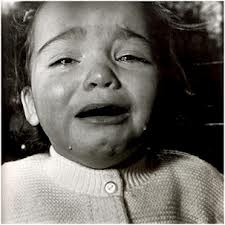
I heard a film director once commenting on how much she dislikes shooting scenes which need a small child to cry. I’d never thought about this but of course you can’t expect a baby or toddler to playact for you. You have to make him or her cry on cue, sometimes for multiple takes. This can’t be fun.

If you are writing fiction that isn’t action/adventure/pornography, by which I mean fiction in which the author seeks emotional involvement with the characters (ok, I’m leaving myself open to debate here, but I’ll go on), then what happens to the characters must in some degree “happen” to the writer. I don’t think you can lead a character you want readers to care about into the Valley of the Shadow and then say, “Now you go get yourself killed/raped/betrayed while I step out for a latte.” You have to be there.

In When We Were Strangers, my protagonist suffers a violent sexual assault. While by grace I was not writing from personal experience, still the scene required the process I associate with method acting — vividly recalling past circumstances of feeling powerless, emotionally assaulted, trapped. It recalled being there visually for the literary choreography. Where is his hand now? Hers? How is he holding her, exactly? How can/can’t she move? What is she feeling now? Not pleasant. Then there is the mental debate that comes with powerlessness, the tangle of fury, guilt and assault to the Self: Why did I do XYZ that got me into this situation? Am I the guilty one? Do I deserve this? How could I have known? Is this what the world is really like after all? Why should I live? Why should he/she live? How can I make it stop? Can I do worse to this person? Who am I now? The appeal of descent to nothingness. Nobody wants to enter that dark place.

Surprisingly, a later scene which required emotional engagement with the perpetrator who is now the vulnerable one was even harder. It required identification with one so wounded and broken as to have done that, who felt it was normal or his right. Hard to connect to that part of oneself.

In my novel in progress, the flow of action has moved to the death of a child. A charming, fully alive child, full of promise. It’s not easy. It shouldn’t be easy. It takes something from you but perhaps, in the end, fills you up again.

Thoughts from readers or writers or both?

Posted in WWWS

Where’s that sabrage knife?

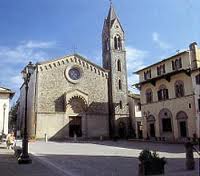
We had a chance to buy a very nice sabrage knife this summer, but even Maurizio with his mania for acquiring kitchen things his wife finds optional drew (or cut) the line at a $500 (circa) sabrage knife. The experience did enrich my vocabulary, always a good thing. So there we were in the Tuscan town of Scarperia, since forever a center of fine knife making. In one of the artisan shops which double as museums in price & elegance was the item in question.

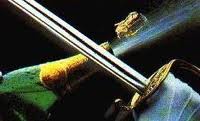
What’s sabrage? If you are Hussar in Napoleon’s light cavalry, you had plenty of victories to celebrate and did so by uncorking a bottle with your sabre. This is sabrage. It takes skill and an indestructible esophagus that laughs at silly little bits of glass.

We did get steak knives at L’Artigano Scarperia despite my comment that we don’t eat much steak. Ah, but they’re art. And they are truly lovely, with handles made of olive tree root wood. Who knew that olive tree root wood has this other purpose? So . . . when I consign my finished draft to HarperCollins, we’ll invite 4 friends for Beef Wellington, in honor of the battle the Hussars did not celebrate. But we’ll have to open the champagne the regular and wimpy way.

Tagged with: , ,
Posted in WWWS

Delicious b&b in Friuli

We just got back from Italy where we spent some days in Friuli, a beautiful, not-often-visited region north-east of Venice, a land of vineyards, quiet towns, delicious, fresh and imaginative cuisine, thoughtful and engrossing museums, festivals and Hapsburg elegance. The only English we heard was one English couple at a cafe; many Italians haven’t been there. Which is a pity, for it’s lovely.

So if you go, stop at Cormòns and book yourself at B&B Da Sandruta. Don’t be put off by the entry, a courtyard whose major features are a woodpile and cement mixer. Go inside, where a post office once mysteriously connected to a monastery (messages from Above?) has been magically restructured by your hosts, Alessandra and Stefano, into the most comfortable secret refuge you can imagine. There’s a huge 1900 matrimonial bed from a palazzo in Trieste, stylish bathroom, fully (utterly fully) stocked kitchen, sitting room and view of your hosts’ splendid organic garden. I don’t quite get the kitchen because all around you are fine and reasonably priced restaurants. Alessandra can direct you to the best wines and wine-tastings and the breakfast, well . . .

Breakfast is served in Alessandra and Stefano’s dining room, an eclectic ensemble of period pieces and festive quirk. There’s tender whole wheat bread, made by Alessandra, a selection of her jewel-bright jams, local yogurt, butter and milk, fresh fruit, granola and espresso all served on vintage china. On our last night, told we’d have to leave at 6am, Alessandra arranged everything in our kitchen the night before, down to espresso machine ready to go on the range and the best apple cake ever baked, with instructions to take some for the road (with plastic wrap to do so). At 85 euro the night, you can’t go wrong.

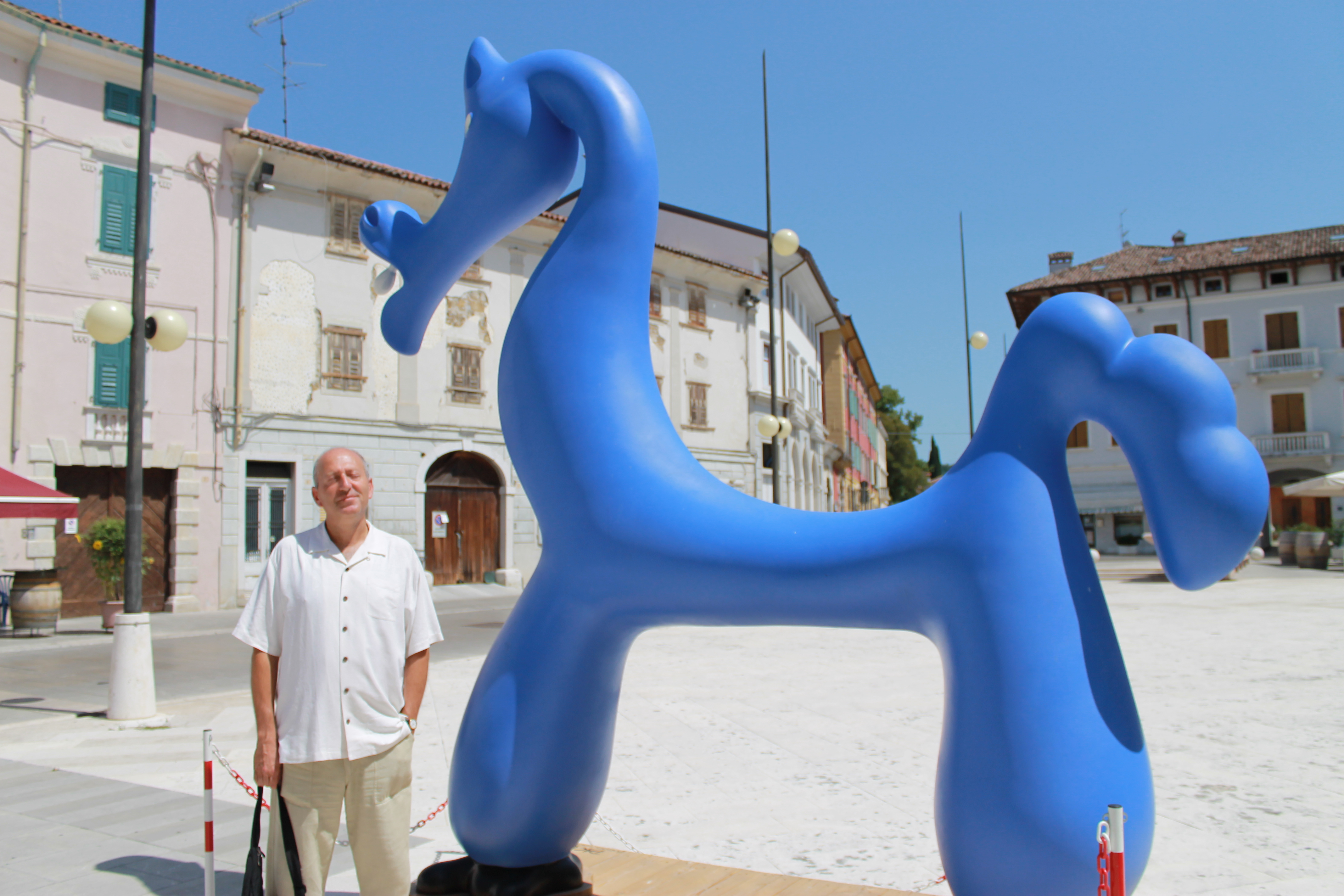
You can buy the finest prosciutto on the planet around the corner, and although I can’t remember the name, there’s a bar by the huge blue horse which makes  terrific panini. Where else can you take lunch with view of a blue horse, and then fill your afternoon with Roman ruins, wine tasting, wandering through a palace where the last king of France breathed his last, or take in a cultural festival featuring post-modern dervish dancing under the stars?

Tagged with:
Posted in WWWS

Two ways to see a runway

When I left Italy in 2000, one of the popular songs was “Tutto depende” (Everything depends), from the chorus that “Everything depends on the point of view from which you see the world.” OK, not highly profound, but a catchy tune and I thought of the song on the Knoxville to Charlotte (NC) leg of my annual trip to Ancona, Italy to visit Maurizio’s family.

Wen I got on the plane and was about to take my window seat, the flight attendant asked me if window or aisle “mattered this time.” From the eager-camper look of the 50-ish man in the aisle seat and the solicitous manner of the attendant, I determined that the right answer was “No, not really.” Both smiled broadly. “Looks like you got the window!” she declared and the man happily scooted over. “It’s his first flight,” she whispered. The man had a heavy country accent and with a few “excuse me’s” I got that he built Wal-Marts, usually driving between sites, but the urgent need of a new store in Wal-Mart-starved Arkansas had necessitated this flight to Little Rock from Tennessee (via North Carolina). I asked if he was nervous about flying. “Not really,” he said gamely.

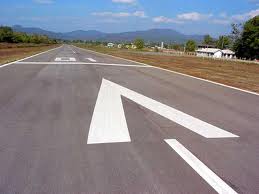
Then with a little camera, he began taking pictures, dozens of them, primarily of asphalt. I saw through his viewfinder: asphalt runway with and without grass, with and without yellow lines, white lines or combinations of lines. Asphalt without lines at all. When it was time to “turn off all electronic devices” he turned a despairing, pleading look to the attendant, who made a cute “Go ahead, I’m wearing blinders” gesture and he kept snapping. More asphalt racing by. Blissfully satisfied, he leaned back in his seat. “You know,” he told me. “I built those runways. Twenty years ago. Laid every one of them. Really hard, making runways. They’re very picky about loose gravel.” He took a few more pictures as we climbed. Ribbons of runways amid fields. Tutto depende.

Posted in WWWS

To Title a Novel (It’s hard)

When I wrote and published short stories, the titles were my own business, I think largely because there is little to no folding green stuff involved with short stories. So unless a title is really offensive to a literary magazine or plagiarized, I think the tendency is to let the author’s title stay.

It’s a different game with novels attached to a publisher who has the hope of good sales and has invested in the project. In a word, there are marketing considerations and it just doesn’t work for the writer to get too huffy and “I’m the artiste” in the project. If you want it 100% your way you need to be Stephen King (who probably listens to marketers anyway) or self-publish. Right now I’m working with Courtney and Amanda, agent and editor, respectively, on the title of my next historical novel. Everybody is working with good will but it sure is hard. The ideal title will:

  1. Represent the novel w/o giving away key plot elements
  2. Speak to the theme
  3. Address the whole of the novel, not just a few chapters
  4. Be easy to understand, spell and say aloud accurately
  5. Be memorable
  6. Be intriguing
  7. Not too long
  8. Ideally, suggest the genre (or at least a fiction title shouldn’t sound like a self-help title)
  9. Original, but not too weird (i.e. shouldn’t produce a “huh?” response)
  10. Appeal to the whole of the intended audience
  11. Not offend or put off potential readers
  12. The editor and marketing director love it
  13. Someone hearing it says, “Wow, that sounds interesting.”
  14. Probably there are other considerations.

So, the search goes on. This title business is yet another of the “who knew?” aspects of publishing I’m discovering. Meanwhile, I press on to chapter 15 of 18.

Posted in WWWS

Tree falls, dog walks inside

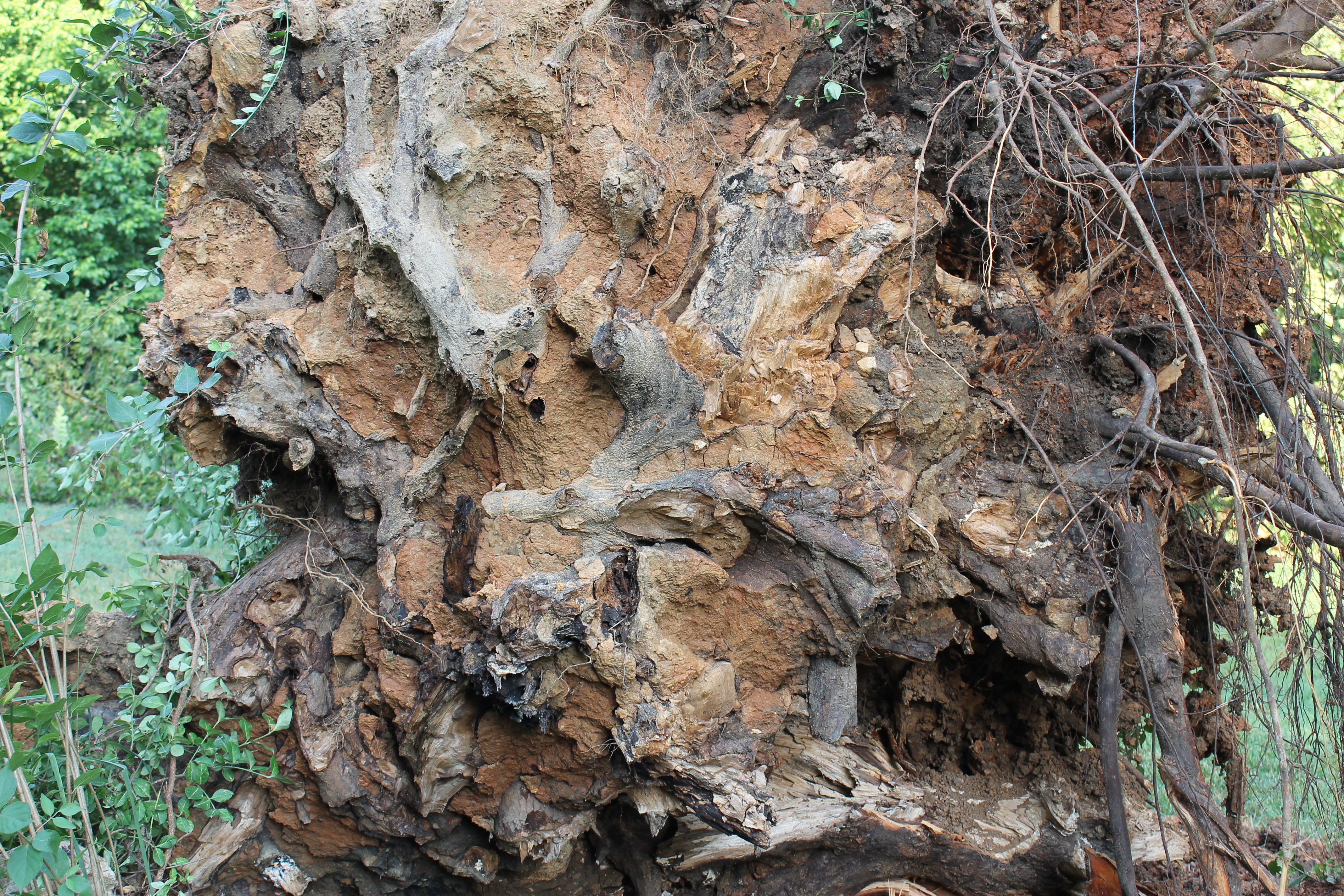
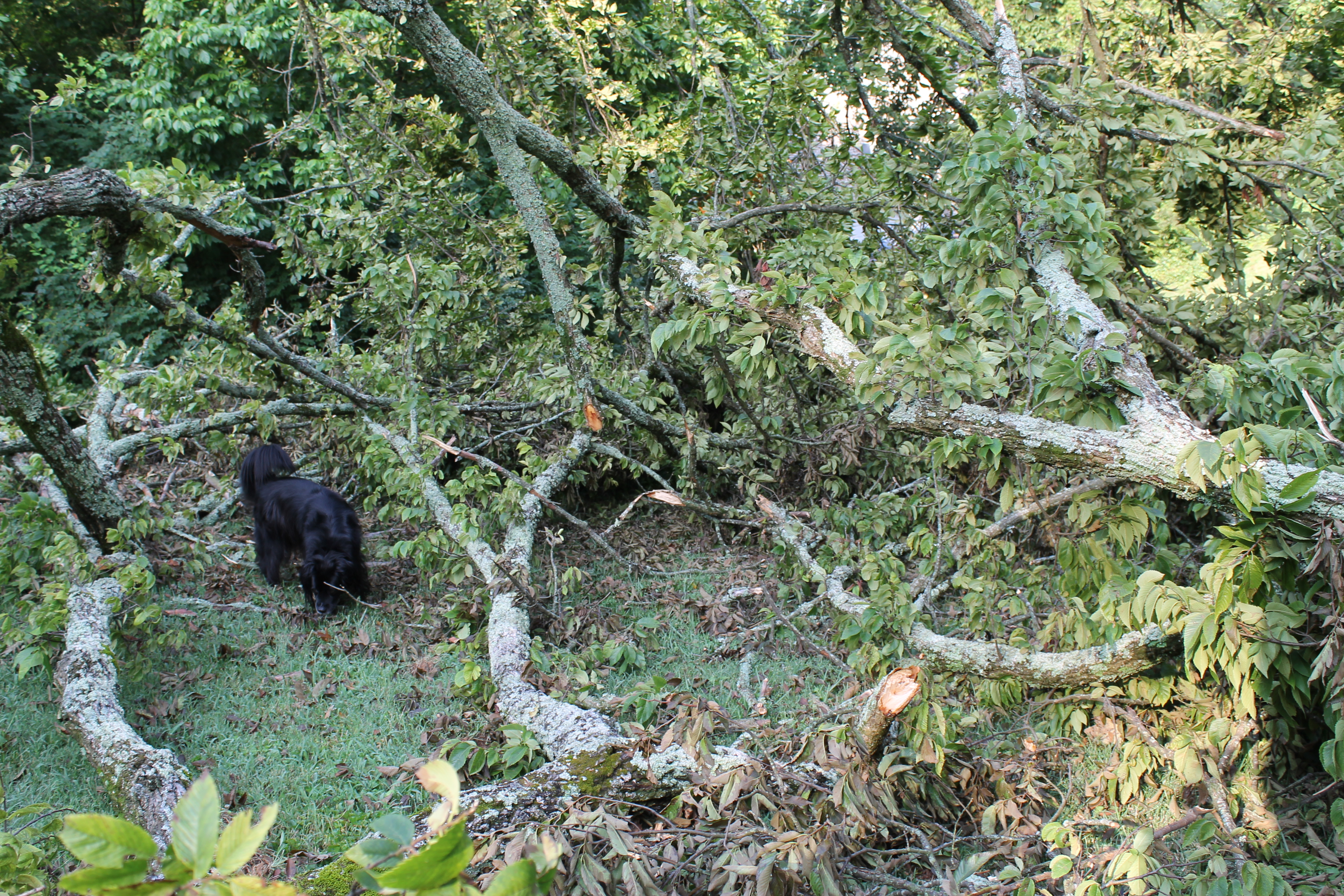
Like a parenthesis in these days of incredible heat, a thunderstorm ripped through East Tennessee on Thursday. Thousands without power in Knoxville. And here, local angle, a tree was ripped right out of the earth in the little park where I walk Jesse the Dog. It’s big, more than a hundred years old. And it seems such an un-rightness of things to see the underside of a tree, or a dog wandering in the branches.The rope swing Silvia loved lies on the ground.

And how odd to think of all that happened since, say 1912: Prohibition, two wars, Depression, the Beatles, Obama, so very many storms, even tornadoes coming through and it was this storm, not even the worst since we moved here in 2000, this one hour or so of not even such heavy rain which did in the great old tree. I suppose the raindrops had its number, but it’s odd, isn’t it, how suddenly things end?

Tagged with:
Posted in WWWS

On women not having it all

A recent, now widely circulating article in the Atlantic by Anne-Marie Slaughter, “Why Women Still Can’t Have it All,” details the author’s difficult choice to renounce a brilliant career as the State Department’s director of policy planning to have more time with her family. Read it. It’s reassuring, in a grim way, this validation of basic math: if you have an 16 hour a day job it’s darn difficult to be a super-mom or even an adequate mom. You can hire nannies, but you can’t hire more hours in the day or energy to fill them. Something’s gotta give. Slaughter suggests some options without much conviction. Nothing substantial. How could she? Twenty-four hours stretch just so far.

In 1979, Dustin Hoffman became the sentimental hero in Kramer vs Kramer when he sacrificed the fast-track for fatherhood. Amazing. What a guy. Thirty-three years later, such a plot line would draw scarcely a yawn if the woman were the protagonist. Happens all the time. What’s the big deal?

I don’t have small children but I do have family and friends and try to have some political-social activity. You know that a lot of time spent writing will have its costs. Obviously. You know this as a logical truth, but every time there’s a choice to be made between the page and the XYZ demands of life, it hits me: “Oh, this is what ‘it’s gonna cost you’ means.This too has got to go.” One can be more efficient, delegate, let a lot of things go, sleep less, watch no TV, have no apps, treasure the moment, and so forth. But still, time’s winged chariot . . . I wish I had a snappy conclusion to this blog. Friends are coming to watch the World Cup and I’ve got chapter 13 to think about. Something’s gotta give.

Tagged with:
Posted in WWWS

Non-magic writing tips

Loading groceries in the car this morning, I’m thinking, OK, now that’s done, there’s no excuse not to write some more, which wasn’t that attractive on a hot day. I remembered a list of quotes by writers on writing which I used to give my students. Time to look at them again and get their simple magic, which is, basically, there is no magic greater than just doing it.

I go to my studio every day, because one day I may go and the angel will be there. What if I don’t go and the angel comes?
Philip Guston

I do not have anything profound to offer mother-writers or worker-writers except that it will cost you something. Anything of value is going to cost you something.
Toni Cade Bambara

I write a couple of hours every day, even if I only get a couple sentences. I put in that time. You do this every day and inspiration will come along. I don’t allow myself not to keep on trying. It’s not fun, but if you wait until you want to write, you’ll never do it. Dave Barry

There is no such thing as a born writer.  It’s a skill you’ve got to learn.  You’ve got to write X number of words before you can write anything that can be published, but nobody is able to tell you how many words that is.
Larry Brown

Suppose a glassblower’s apprentice is lucky enough to be naturally good at goblet stems.  Should she quit because she’s bad at vase necks?  No.  She goes to work, she learns. . .  Here is the only rule I’m willing to make about writing:  Honor your apprenticeship.  Call yourself a learner.            Bill Roorbach

There are no good stories.  Only the singer really matters, seldom the song.
John Gregory Dunne

Everybody has talent.  What is the rare is the courage to follow that talent to the dark place where it leads.
Erica Jong

What they call talent is nothing but the capacity for doing continuous hard work in the right way.
Winslow Homer

To have the gift of words is no such great matter.  A man does not become a hunter by mere possession of a firearm; many other qualities of character and temperament are necessary.
Joseph Conrad

If everyday life seems poor to you, do not accuse it, accuse yourself, tell yourself you are not poet enough to summon up its riches.
Rainer Maria Rilke

All the way to heaven is heaven. [i.e. maybe: the joy of finishing/publishing can’t be greater than the joy of the journey or you’ll finish]
Saint Catherine of Siena

Tagged with:
Posted in WWWS

The huge hill on Minisink Way

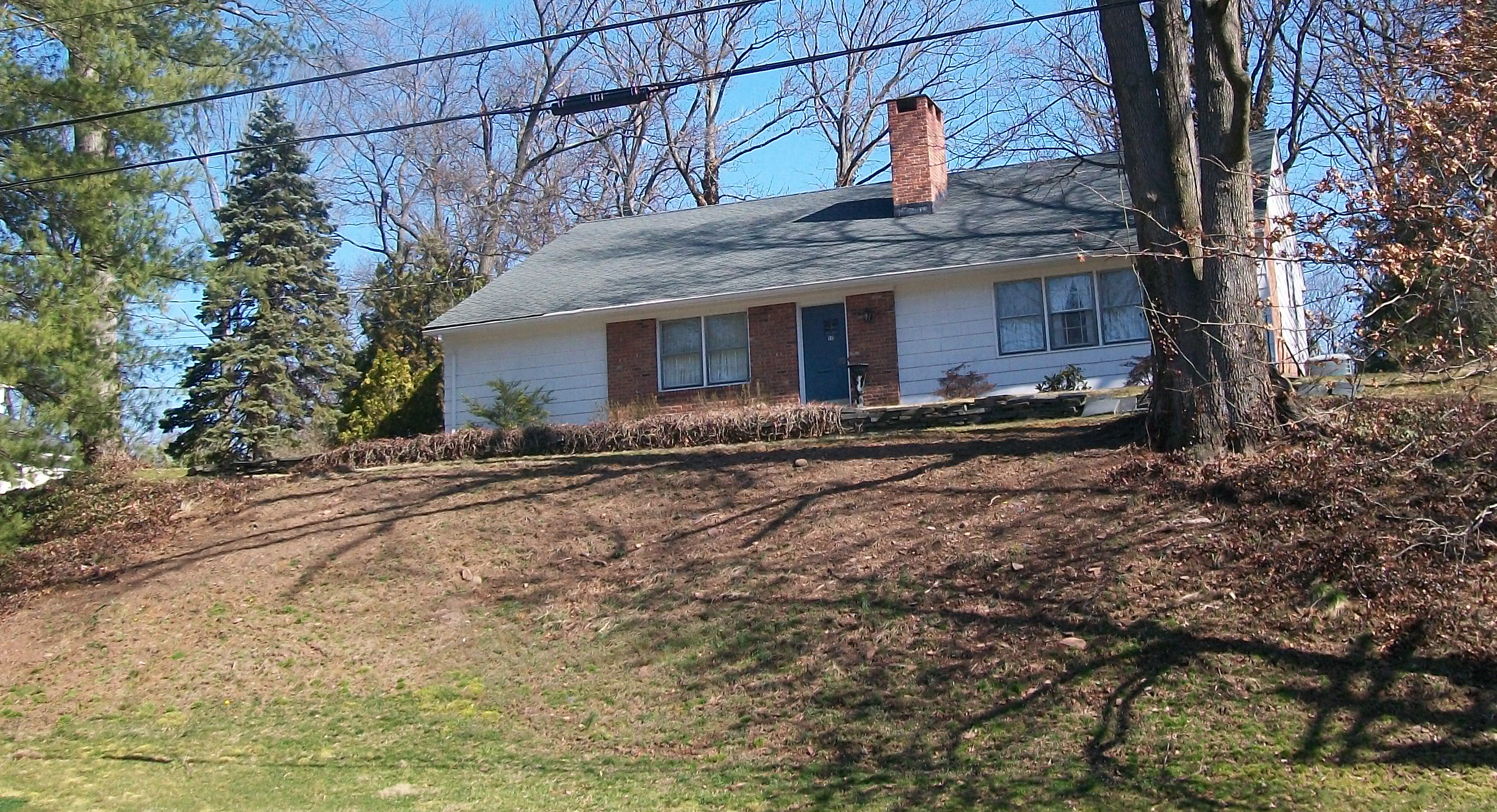
Don’t look at the photograph now. Just believe me. When I was in middle school we lived in this house on Minisink Way in Westfield, N.J. The house was on top of a huge, steep hill. Here’s the proof: we gave directions to “the gray house [it was gray then] on top of a hill.” And people found us. More proof. The hill was too steep to plant grass. We had ivy which my father weeded. He didn’t use ropes and pulleys only because he was so sure-footed and determined. And the snow days! Kids came from miles around (ok, houses around) to go zooming down the hill, their lives protected only by the semi-vigilance of a lookout stationed at the bottom, mostly busy making snowballs to pelt the descenders.

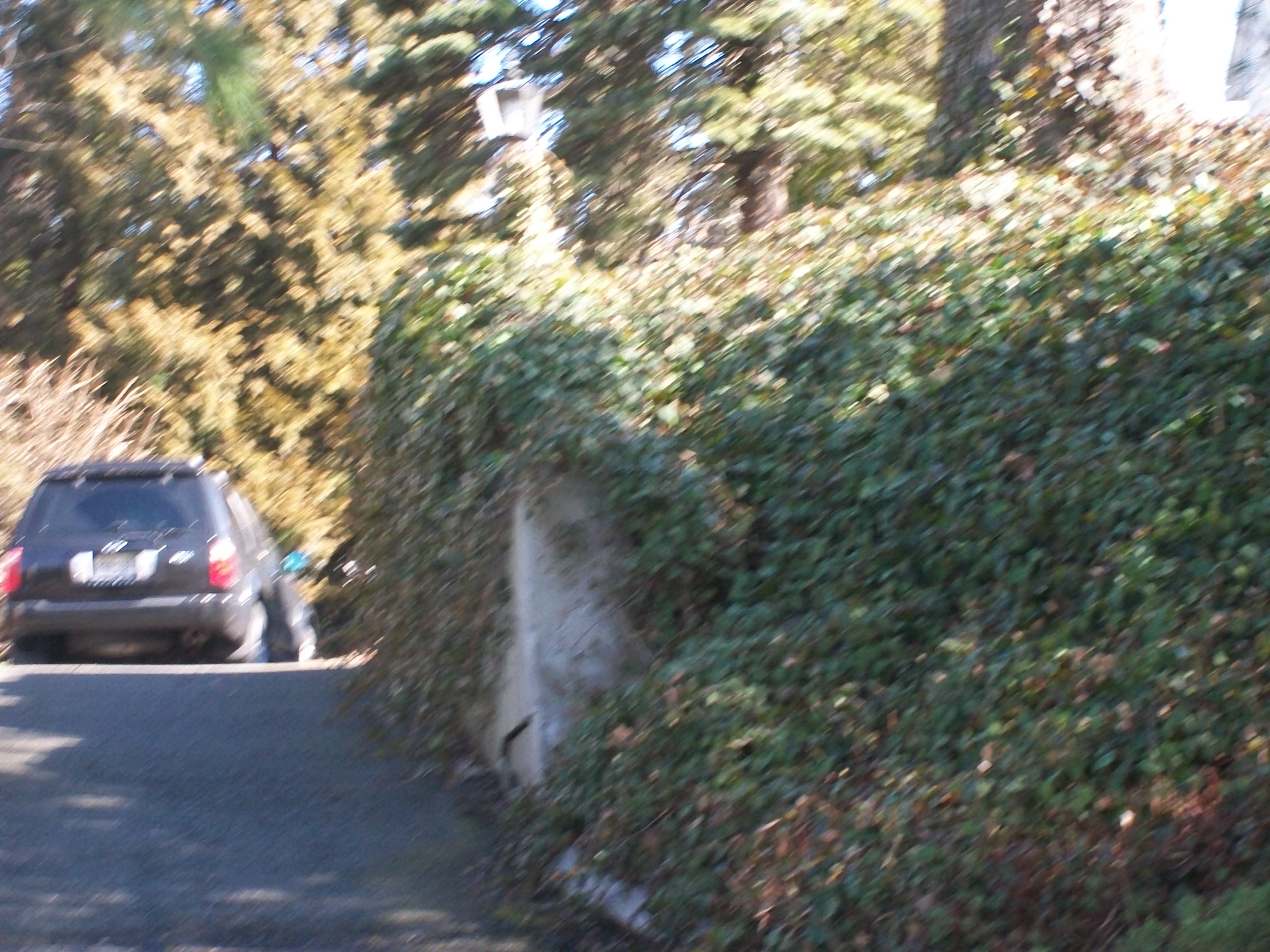
Our driveway (don’t look at that picture yet either) was correspondingly steep. Proof: one winter it was too iced for car traffic and my father couldn’t shovel because he was laid up with a knee injury caused by showing off on my stilts (another blog). So my Uncle Arthur couldn’t come for New Years because aged, lame, tiny (well-named) Great-Aunt Minnie couldn’t walk up the hill. See? And also: after walking a mile and half from Roosevelt JHS, carrying my books (bikes weren’t cool then), it nearly killed me to scale those last yards up the driveway and collapse in the kitchen, spraying books around and demanding a snack.

Then this spring we visited a friend in New York and Gary who by chance had moved from London to Westfield (that happens). To humor me, we did a drive-by of Minisink Way and what happened? Now you can look. The hill is not notable at all. It’s sort of mundane. The only thing my sister and I can figure is that people lifted up the house and while it was suspended, with huge machines they scooped off the top of the hill (as for mountain top removal coal mining) and then gently set the house down on the resulting hummock. There is absolutely no other explanation for this mystery.

P.S. The blue spruce was very small, but I know how it got big.

Tagged with:
Posted in WWWS
Recent Review
“Absorbing and layered with rich historical details, in Under the Same Blue Sky, Schoenewaldt weaves a tender and at times, heartbreaking story about German-Americans during World War I. With remarkable compassion, the author skillfully portrays conflicted loyalties, the search for belonging, the cruelty of war, and the resilience of the human spirit.”—Ann Weisgarber, author of The Promise and The Personal History of Rachel Dupree

Enter your email address to subscribe to this blog and receive notifications of new posts.

Join 122 other subscribers