
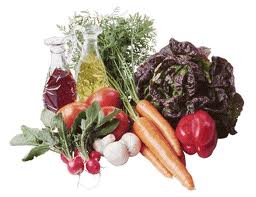
 When Maurizio and I were first dating, he proposed a “cena bollita” (boiled dinner), a.k.a. “cena della mamma” (Mom’s dinner) on a cold winter night. Posed thus, with the aura of “la Mamma” and being the new girlfriend, naturally I said: “Oh, sounds wonderful.” Actually it sounded . . . basic. “Spartan” came to mind. Carrots, celery and onions cut in half. Potatoes, whole, cut in half. Zucchini in thirds. A certain geometrical interest, but I’m expecting some Italian magic. Pasta, lovely cheese, wine, herbs at least. “We have tomatoes,” I offered, but Maurizio gave me The Look of culinary indulgence, as if I’d suggested a true heresy, like Parmesan on fish. So . . . no tomatoes. “Broth?” I suggested. No, plain water was enough. Italy was quite poor for centuries, of course. Was this stone soup, Italian style? We did put out some left over rice, cold.
Next step: boiling salted water. “Now we boil the vegetables,” Maurizio explained. I was expecting some elaboration but no, not much. Maybe a bay leaf. Vegetables boil in water, barely enough to cover them. When the vegetables were soft but still intact, he broke two eggs in the pot and poached them. That’s it. Boiled vegetables, poached egg with their broth in soup bowls, a dose of good olive oil. A bit more salt. Rice if you want it in your bowl. And here’s the magic: it’s delicious.
On a cold winter day, perhaps you’ve got a touch of a cold, or ate the wrong stuff the night before, there’s nothing like cena della mamma. Simple food, but very good.

Pamela Schoenewaldt, historical novels of immigration and the search for self in new worlds: WHEN WE WERE STRANGERS, SWIMMING IN THE MOON, and UNDER THE SAME BLUE SKY (all HarperCollins).
 pamelaschoenewaldt.com
Leave a comment